I spent my twenties behind a café counter pulling shots for people who wanted extra caramel, and the last decade pulling two doubles a day in my own kitchen in Columbus. My Breville Barista Express ran daily for nine years before the automatic shot stop finally failed, and the parts graveyard lives in a shoebox under my sink, which is a strange thing to be proud of and yet here we are. That history is the lens I bring to the question of which espresso machines under $500 are actually worth a spot on the counter, because I have watched a good machine die young and I know exactly what killed it.
The short answer: the Breville Bambino is the machine I would hand to most people, the Gaggia Classic Pro is the one I would tell a friend to buy if they want a machine they can keep alive for a decade, the Gaggia E24 is that same idea in a quieter finish, and the De'Longhi Dedica is the best cheap machine for a small kitchen as long as you accept its limits. Everything below is the reasoning, including the parts of each machine that annoy me.
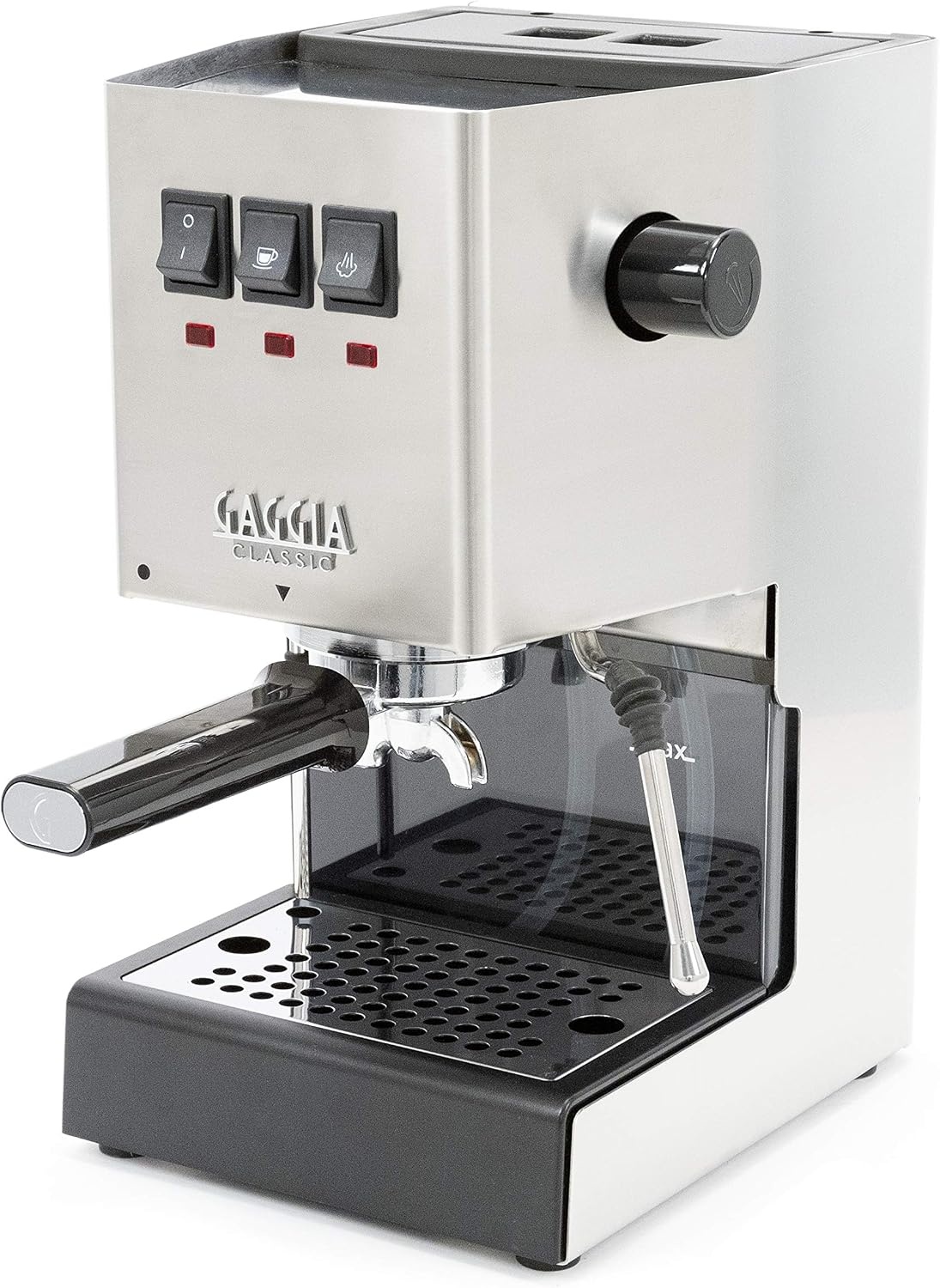
Gaggia RI9380/46 E24 Espresso Machine, Brushed Stainless Steel
Built to be maintained and repaired, not replaced, with a finish that hides a hard life
It expects you to learn; there is no hand-holding and no forgiveness for a bad grind
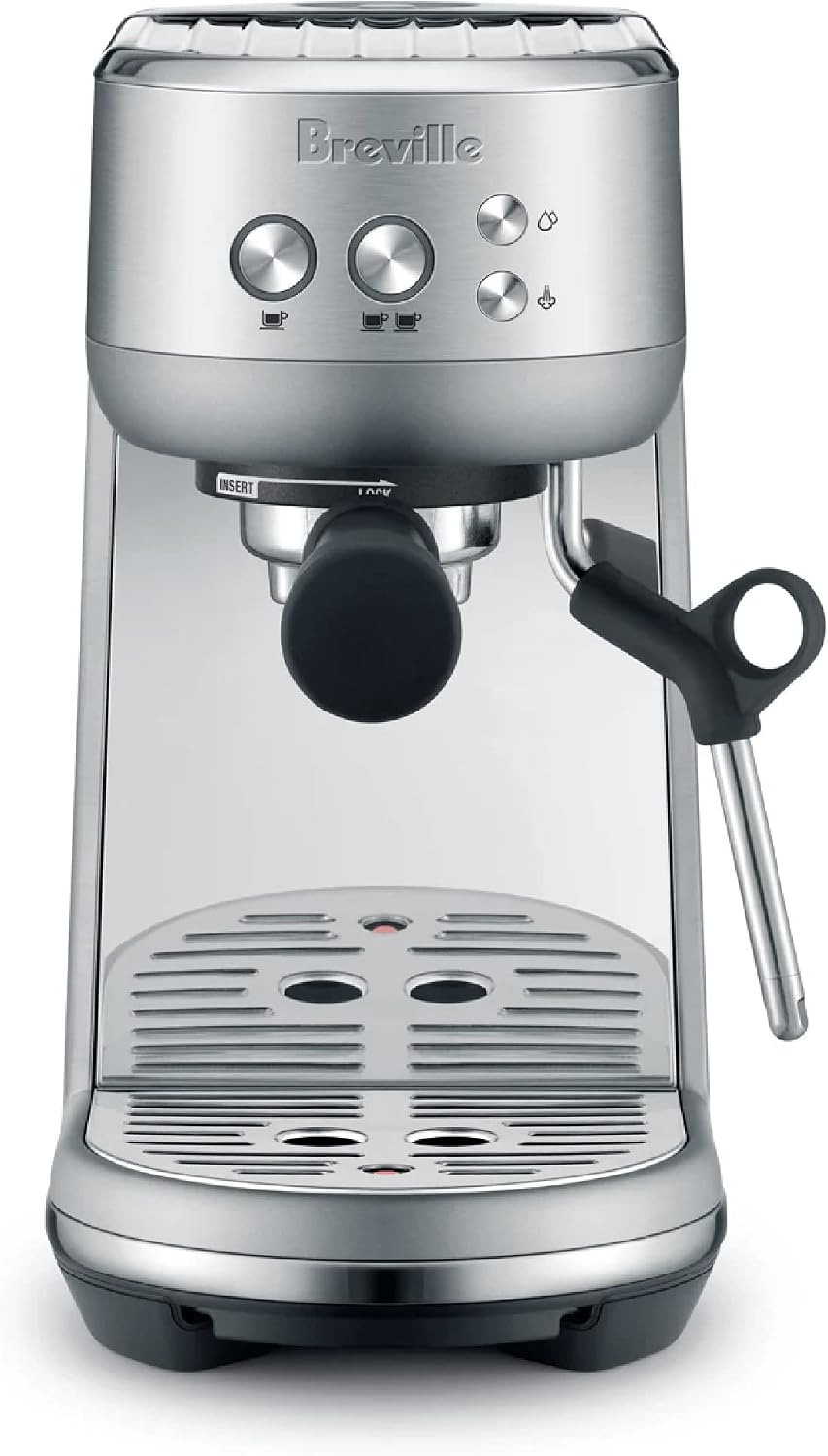
Breville BES450BSS Bambino Espresso Machine, Brushed Stainless Steel
The fastest path from waking up to a real flat white, in the smallest footprint here
Stamina runs out on the third milk drink in a row, and it feels lighter than the Gaggias
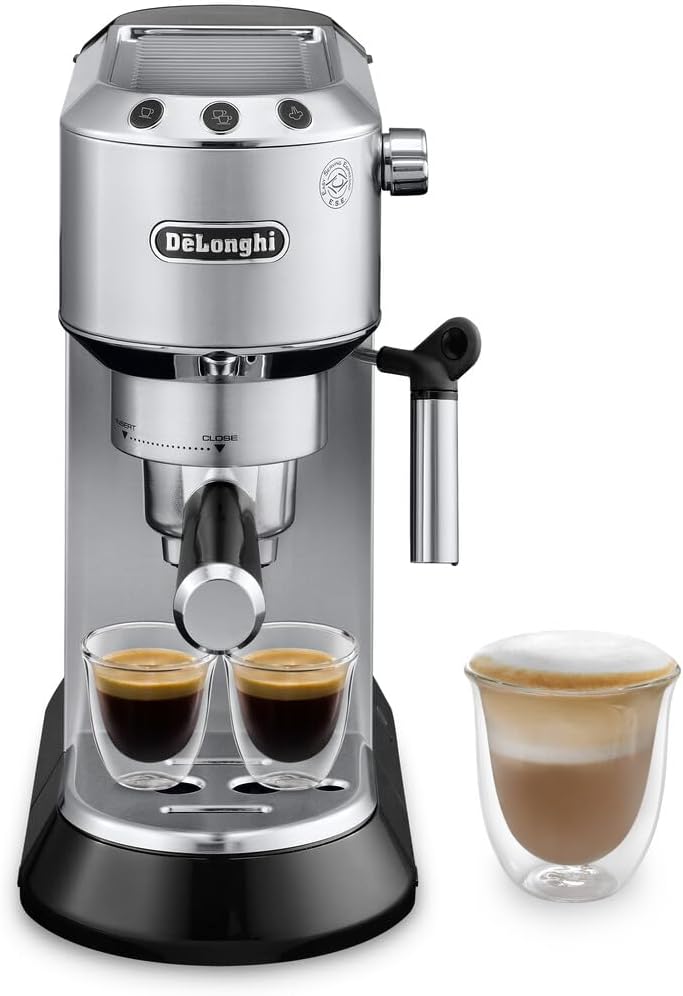
De'Longhi Dedica Espresso Machine, 15-Bar Pump, Frother, Stainless Steel
The lowest entry price that still makes something worth drinking, and it fits anywhere
The pressurized basket is a crutch, and the light body will not outlive a Gaggia
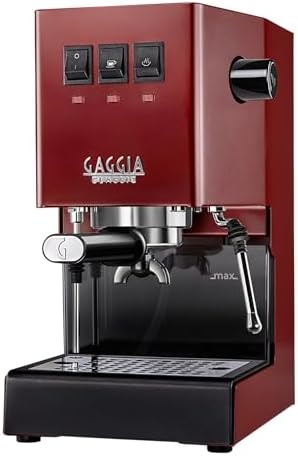
Gaggia RI9380/47 Classic Pro Espresso Machine,1.3liters, Cherry Red
A platform, not an appliance: cheap parts, endless tinkering, a machine that outlives its owner
The learning curve is real, and the drip tray will annoy you twice a day
Prices and availability were captured from Amazon Creators API and may change.
How I judge a machine under $500
I run every candidate through four questions, and they are the same four every time.
Would I still be happy pulling two shots on it at 6 a.m. in year three? How painful is the descale, really, and will I actually do it? What breaks first, and what does that part cost? Can my grinder keep up, or am I buying a machine that needs a better grinder to be worth owning at all?
Those questions eliminate most of the category. The very cheap machines fail the first one, because a pump that cannot hold pressure without choking is not an espresso machine, it is a lottery ticket. Anything with a water tank you cannot see from the front fails the second, because you will run it dry and a dry boiler is how machines die young. Anything with a part you cannot source in two years fails the third. The fourth question is the one people skip, and it is why so many first machines end up for sale at month eight with a sad description.
Gaggia RI9380/46 E24, Brushed Stainless Steel
Gaggia is the brand I point people toward when they tell me they want to keep a machine for a decade. The E24 sits in that lineage: brushed stainless steel that hides a hard life, a design built around maintenance rather than sealed shut, and a parts supply that does not vanish when the model year changes. This is the machine I would buy for someone who has already decided they are in this for the long haul and wants to skip the disposable phase.
Where it wins is the boring stuff. It is a machine you service, not a machine you replace. Descale it on schedule, swap the gaskets when they harden, and it keeps doing what it did on day one. The brushed stainless finish also matters more than people admit, because cheap plating wears through and shows the plastic underneath, and that is the moment a machine starts to feel old even when it still works.
Where it loses is the hand-holding. There is no screen explaining your mistakes. If your grind is off, your shot tastes like it, and the machine will not tell you why. Pair it with a real burr grinder and a scale, or buy something else and save yourself the frustration.
Breville BES450BSS Bambino, Brushed Stainless Steel
The Bambino is the machine for the person who wants a flat white before work without turning it into a ritual. It gets up to temperature fast, it is small enough to share a counter with a toaster, and the brushed stainless steel wipes clean in a way that black plastic never does. When a friend tells me they have eleven minutes between the alarm and the door, this is what I tell them to look at.
It is also the most forgiving machine here. If you are coming from drip coffee and you have never weighed a dose or timed a shot, the Bambino is the one least likely to punish you for it. That matters more than any spec sheet, because the machine you actually use every morning beats the machine you are slightly afraid of.
The trade-off is stamina and heft. Pull two doubles and steam one pitcher of milk and it feels effortless. Get to the third milk drink in a row while someone waits and you will notice the machine working harder than the Gaggias do. It also feels lighter in the hand, and lighter machines have a way of feeling older sooner. That is not a dealbreaker at this price. It is just the honest cost of the speed and the footprint.
De'Longhi Dedica, 15-Bar Pump, Frother, Stainless Steel
The Dedica is the best cheap machine for a small kitchen, and I will defend that position. It is thin, it comes up to heat quickly, the 15-bar pump and frother are enough to make a genuinely decent milk drink, and it fits on counters where nothing else here will. If you live in an apartment, rent, or share a kitchen, this is the one that will not start an argument about counter space.
Here is the caveat, and it is a big one. The pressurized basket is a crutch. It lets you use pre-ground coffee and still get something that looks like espresso, which is exactly why it is a good first machine. It also means you are not really learning to dial in a shot, because the basket is doing the work the grinder should be doing. When you eventually switch to a non-pressurized basket and a real burr grinder, your espresso changes more than any machine upgrade would.
The other caveat is longevity. The Dedica is light, and light machines with plated finishes age faster than brushed stainless workhorses. Treat it as a great two to four year machine that teaches you what you actually want, not a machine you hand down.
Gaggia RI9380/47 Classic Pro, 1.3 Liters, Cherry Red
The Classic Pro is not an appliance, it is a platform, and the cherry red finish is the only part of it that is trying to be charming. You buy this machine because you want to tinker. You buy it because parts are cheap and the owner community has already solved every problem you are going to have. You buy it because you want a machine that can be repaired instead of replaced.
Budget accordingly. If you are spending this much on the machine, budget for a proper burr grinder and, eventually, a temperature controller before you budget for accessories. A Classic Pro with a blade grinder makes sad coffee at any price. A Classic Pro with a real grinder and a little patience will pull shots that embarrass machines costing three times as much.
What will annoy you: temperature management takes attention, the drip tray fills faster than you expect, and the first month is a learning curve, not a honeymoon. What will not annoy you: the repair bills, because the parts are cheap and the machine comes apart like it was designed by someone who expected you to open it. This is the one I would tell a friend to buy if they asked me what to keep for ten years.
The trade-offs that actually decide it
Forget the marketing. Four practical things separate these machines.
Water tank visibility. If you cannot see the level from the front of the machine, you will run it dry, and running a boiler dry is the fastest way to kill a machine that would otherwise last years. Check this before you buy anything, in person if you can.
The drip tray. A tiny tray means emptying it every two shots. It sounds trivial until it is the reason you stop using the machine on a busy morning.
The descale. Ask yourself how hard it is to get to the boiler and how long the cycle takes. If the answer is "too annoying," you will skip it, and you will be back here in eighteen months reading reviews for a replacement. I have a bottle of descaling solution in the cabinet that I bought nine months ago and am still about to use, so I say this with love.
The steam wand. If you drink lattes, the wand matters as much as the pump. A wand that is too short or too weak turns milk into hot foam instead of microfoam, and no amount of technique fixes a bad wand.
Budget for the grinder before the machine
The grinder is half the machine. That is not a slogan, it is the single most common mistake I see. A great machine with a weak burr grinder makes sad coffee, and a modest machine with a good burr grinder makes coffee that surprises people.
So when you are adding up the cost of the Dedica or the Bambino, add a burr grinder to the total, and add a scale. Weigh your dose, time your shot, and stop blaming the machine for a stale bean. If the budget will not stretch to both, buy the cheaper machine and the better grinder. You will be happier in a year, and you will have learned something the expensive machine alone would never have taught you.
Maintenance is the whole ballgame
An espresso machine is a maintenance contract with a pump attached. Buy the one you will actually clean, or it does not matter how good the shots are.
That means a descale on schedule like it is a mortgage payment, water filters swapped on a real interval rather than a vibe, and a proper cleaning tablet for the grouphead so every shot does not taste like yesterday's coffee. When the machine asks for a cleaning cycle, that is not a suggestion, that is the machine asking for help. Nine years of daily service on my old machine was not luck. It was boring, repetitive maintenance that took maybe ten minutes a week.
Matching the machine to your morning
If you want the fastest possible path to a good flat white and your counter is small, the Bambino is the pick. If you want a machine you can repair for a decade and you are willing to learn, the Gaggia Classic Pro is the pick, and the Gaggia E24 is the same philosophy in a quieter finish. If you are on a tight budget, renting, or genuinely short on space, the Dedica is the best cheap machine here and a fine place to start.
If you are not sure which of those people you are, buy the cheapest one that fits your counter and put the savings into a burr grinder. That is the advice I give most often, and it is the advice people thank me for two years later.
What I am testing next
I have a second-hand machine on the bench right now that someone sold because it was "buzzing and leaking from the bottom," which is usually a cheap valve and a bad diagnosis. If it comes apart the way I expect, I will write up the repair and what it says about buying used. I am also logging descale times across everything on my counter, because the honest measure of a machine is not the first shot, it is the two hundredth, and how much you dreaded the maintenance between them.