Nine years is how long I ran a Breville on my own counter, two doubles almost every morning, until the automatic shot stop finally gave out in May 2024 and the machine gave up the ghost. I cleaned it, descaled it on schedule, replaced the o-rings at the portafilter tip and the grouphead, and swapped water filters every two months, and it still pulled a better shot in year eight than a lot of machines twice its price pull on the first afternoon. That is the lens I use for this home espresso machine comparison, and it is a lens that cares far more about month sixteen of ownership than the first hour.
The short version: the Breville Barista Pro is the one I would hand most people, the Gaggia Classic Evo Pro is the one I would hand anyone who actually wants to learn, the Mr. Coffee steam maker is the cheapest way to find out whether you like milk drinks at all, and the espresso machine water softener filter is the lowest-cost longevity insurance on this page.
I have not torn all four of these apart on a bench, and I am not going to pretend otherwise. What I can tell you is where each one sits in a real morning routine, what tends to break first on machines of that design, and which of these four purchases you will still be glad about in year three.
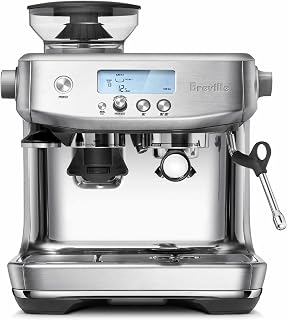
Breville BES878BSS Barista Pro Espresso Machine, Brushed Stainless Steel
The all-in-one I would buy first: grinder, steam wand, and a workflow I lived with daily for nine years on its predecessor
The built-in grinder is the compromise; you are buying convenience and a smaller footprint, not a standalone burr grinder
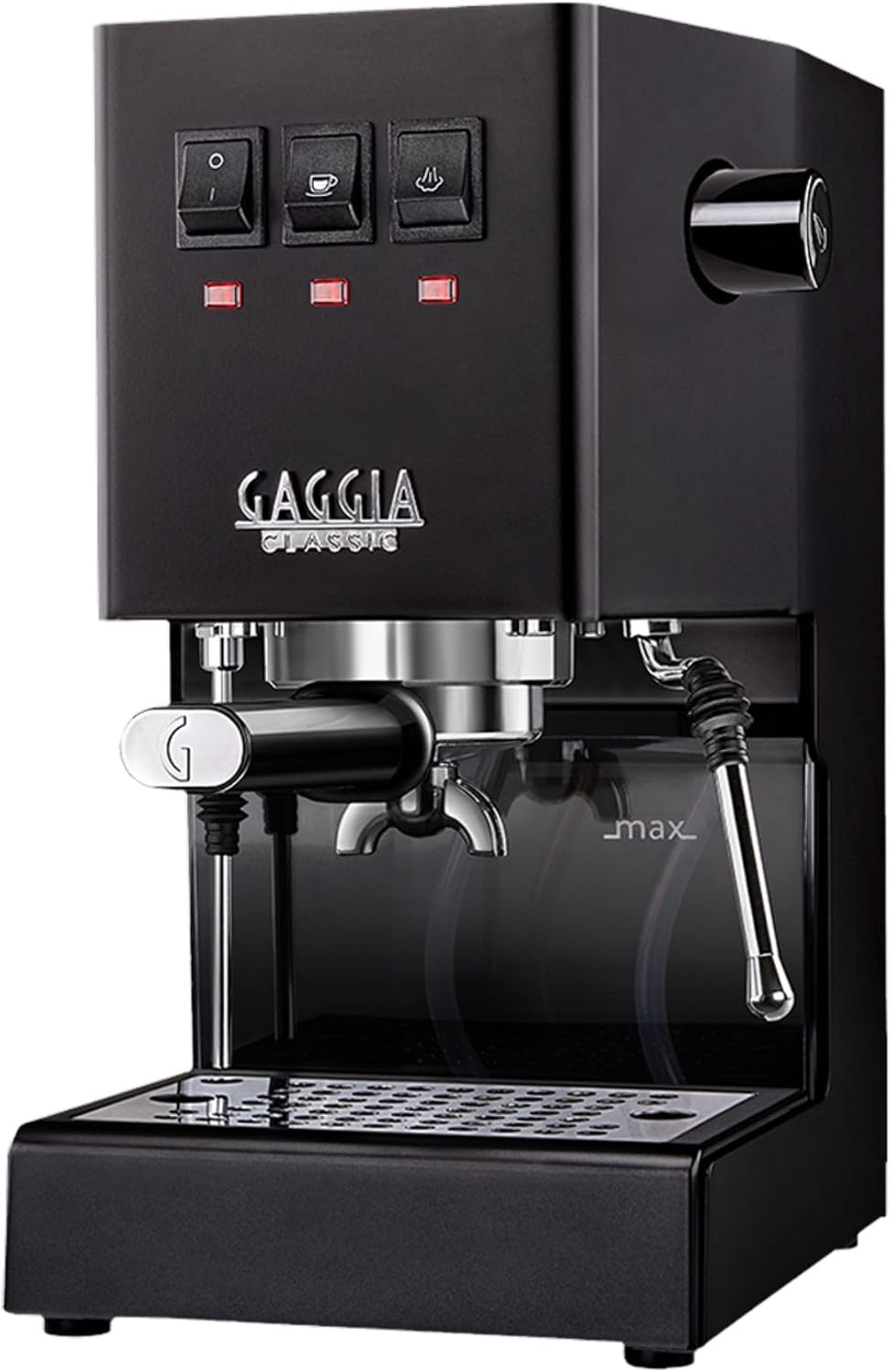
Gaggia RI9380/49 Classic Evo Pro Espresso Machine, Thunder Black, Small
A platform, not an appliance. It is the machine you mod, fix, and keep, and parts are cheap when they fail
No grinder in the box, a real learning curve, and it will punish lazy prep every single morning
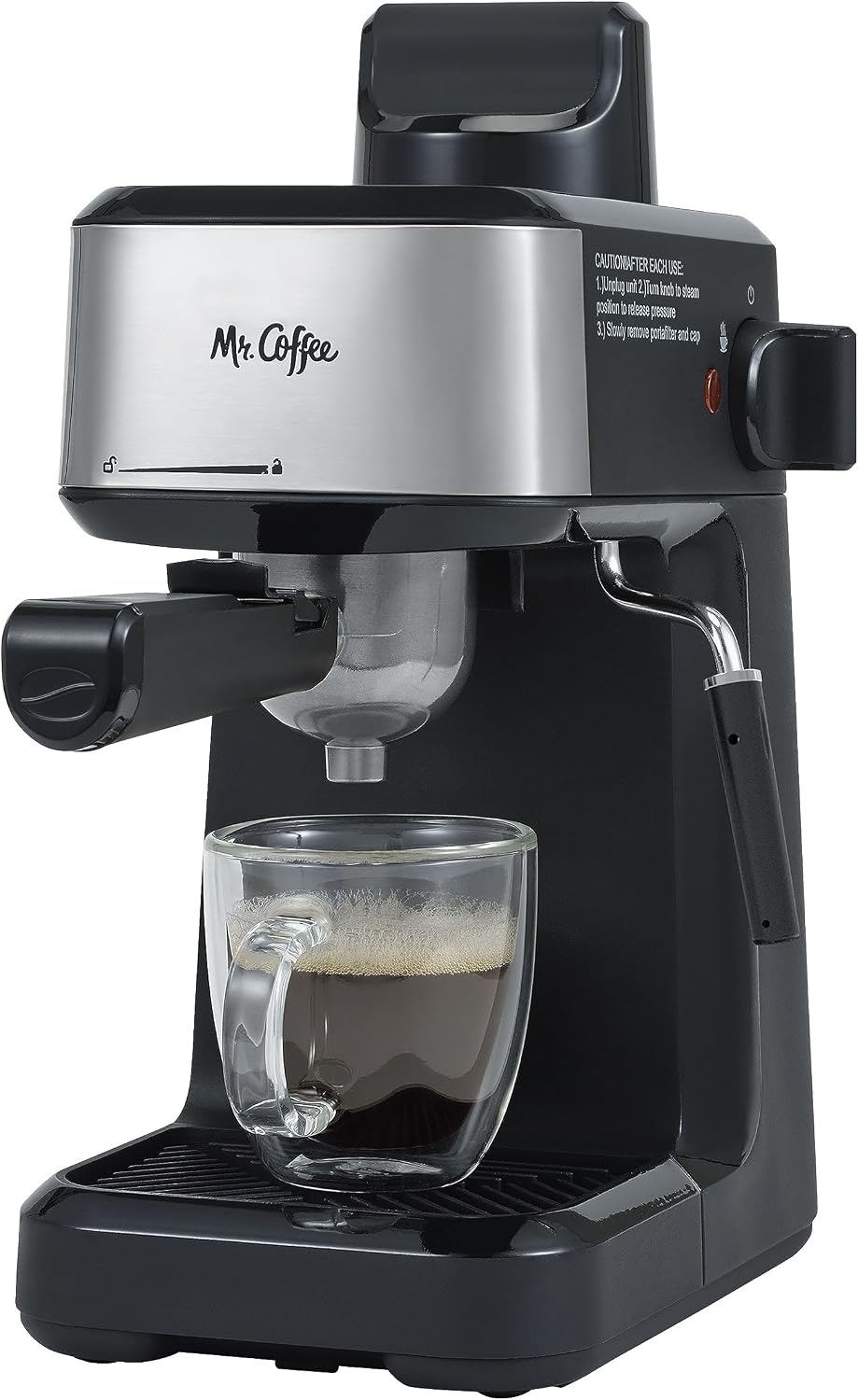
Mr. Coffee 4-Shot Steam Espresso Cappuccino and Latte Maker with Stainless Steel Frothing Pitcher
The cheapest entry point here, and the frothing pitcher is genuinely useful
Steam pressure is not pump pressure; this makes strong coffee drinks, not café-style espresso
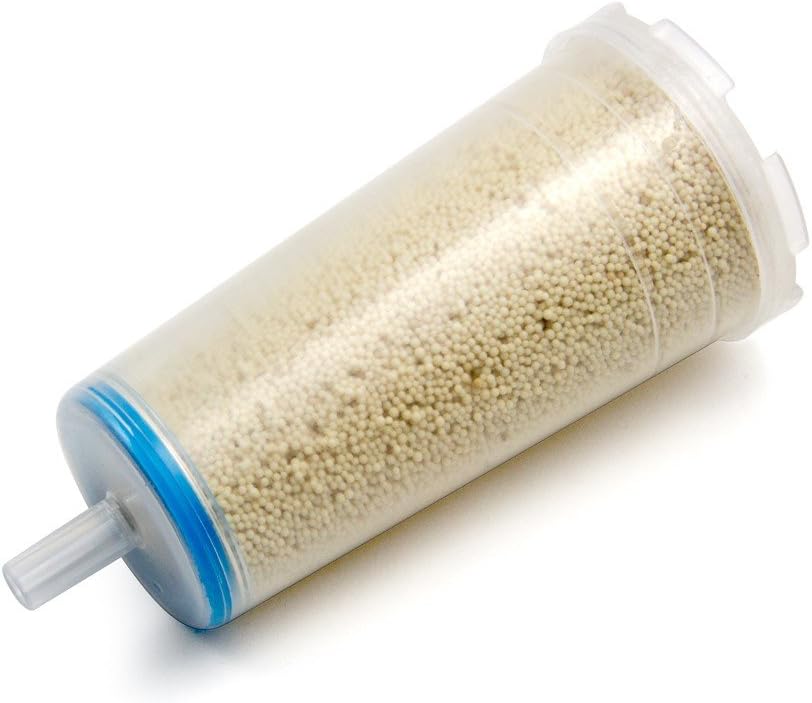
Espresso Machine Water Softener Filter for Ascaso, Isomac, Quickmill, Expobar, Lelit, VBM, and Many More!
The part that decides whether your machine sees year five, and it costs less than a bag of decent beans
Fits specific brands only. If you own a Breville or a Gaggia, this is not your filter
Prices and availability were captured from Amazon Creators API and may change.
What is actually in this comparison
Three machines and one maintenance part. That is deliberate. Water is what kills espresso machines, and the filter is the only item on this page that addresses the actual cause of death rather than the symptoms.
An espresso machine is a maintenance contract with a pump attached. Buy the one you will actually clean, or it does not matter how good the shots are in month one. The Breville and the Gaggia are both machines you can keep alive for years with a schedule. The Mr. Coffee is a different category of purchase entirely, and I will be straight with you about that below.
Breville Barista Pro: the all-in-one I recommend first
The machine I owned for nine years was the Barista Pro's older sibling, and the family resemblance is the whole argument. All-in-one means the grinder lives in the same box as the grouphead, the steam wand is right there, and the whole ritual takes about the same time as a kettle. For most homes that is the difference between drinking espresso and owning an espresso machine that intimidates you into using the drip coffee maker.
What I learned from nine years on that platform: the workflow is genuinely good, the included tamper is one of the rare stock tampers I never replaced, and the weak link is the grinder. It is a real burr grinder, not a blade chopper, but it is not a standalone burr grinder either. If you are chasing café-level shots, you will eventually want a separate grinder, and at that point you have paid for a grinder twice. That is the honest trade.
The other thing to plan for is the descent into maintenance. Around year five mine started buzzing and leaking from the bottom, which is the solenoid valve going. A cheap part, and I still gave up on the repair because reaching it meant disconnecting every tube in the machine. If you are not the type to open a machine up, budget for the reality that a Breville is a sealed unit you service less and replace eventually. If you are the type, visit it on Amazon and read the negative reviews first, like I do.
Gaggia Classic Evo Pro: the machine for people who want to learn
The Gaggia Classic Evo Pro is what I recommend to the friend who says "I want to actually understand this." It is a semi-automatic with a real steam wand, a proper portafilter, and a design lineage old enough that the aftermarket has solved nearly everything that can annoy you. You can add a PID, swap the steam wand tip, and rebuild it with parts that cost less than dinner.
That is the appeal and it is also the warning. There is no grinder in the box, so the moment you buy it you owe it a grinder. The Gaggia Classic Pro is a platform, not an appliance, which means budget for a better grinder and a PID before you budget for accessories. A great machine with a weak burr grinder makes sad coffee at any price, and this machine will expose that faster than an all-in-one ever will.
The other honest note: no grinder, no shortcuts. Weigh your dose, time your shot, stop blaming the machine for a stale bean. If that sentence sounds like fun, this is your machine. If it sounds like homework, buy the Breville. You can check it on Amazon and compare the owner reports against your own patience level.
Mr. Coffee 4-Shot steam espresso maker: what the cheap end really buys
This one works by steam pressure, not by a pump. Hot water gets pushed through the coffee by steam, which is why it costs what it costs and why it does not behave like the two machines above. It will make a strong, hot, milk-heavy drink, and the included stainless frothing pitcher is a legitimately useful piece of kit that I would keep even after upgrading.
What it will not do is hold café-style pressure across a shot, so you are not going to get the syrupy, layered shot a pump machine gives you. Think of it as a latte maker with a coffee base, which is exactly what a lot of people actually drink. If your order at a café is a flavored latte, this is a cheap way to find out whether the morning ritual sticks before you spend real money.
What I would not do is buy this and then spend the next year frustrated that the shots are inconsistent. They are inconsistent by design. The pressure gauge is invaluable on a machine that has one; this one does not, and that tells you what kind of machine it is. If you want to try the category cheaply, see the current listing and set expectations accordingly.
The water softener filter: the cheapest thing here that actually saves money
Most people reading an espresso machine comparison skip this item. Do not skip this item.
This inline water softener filter is made for Ascaso, Isomac, Quickmill, Expobar, Lelit, VBM and similar machines, the brands where the water line and filter holder are a standard size. If you own one of those, this is the part that keeps scale out of your boiler and your grouphead, and scale is what kills machines from the inside, slowly, over a couple of years of daily use. Descale on schedule like it is a mortgage payment, and change the filter on a schedule too. I swapped mine every two months or roughly every sixty uses, and I would do it again.
The catch is fitment. This is not a universal part. If you own a Breville Barista Pro or a Gaggia Classic Evo Pro, this specific filter is not the one your machine takes, and you should source the filter your manual calls for. Owning the right filter matters more than buying this one. If you do own one of the compatible brands, Visit on Amazon → and check the fitment list twice before you order.
The grinder question, because it decides everything
Take the two real machines on this page and subtract the grinder from the Breville. What is left is roughly the Gaggia's job description. That is the whole comparison in one sentence.
If you already own a burr grinder, the Gaggia becomes the better value almost instantly, because you are not paying twice for grinding. If you do not own one, the Breville's built-in grinder is doing real work for you, and the "compromise burrs" argument gets a lot less important when the alternative is pre-ground coffee from a supermarket. A $700 machine that you use daily beats a $3,000 machine that intimidates you, and it also beats a $500 machine sitting next to $12 pre-ground.
Warm-up, cleanup, and the annoyance tax
Every machine here has an annoyance tax, and it is worth naming. Small drip trays that need emptying every two shots are a pet peeve of mine. Water tanks you cannot see the level of from the front are worse, because you will run it dry one morning, and a dry boiler is how machines die young. Do not let the water run out. Ever.
Cleaning is not optional maintenance, it is the difference between a machine that lasts nine years and one that dies at eighteen months. Whatever you buy, buy Cafiza tablets and a proper blind basket for backflushing, and actually run the cleaning cycle when the machine asks. The clean me light is not a suggestion. It is the machine asking for help.
Trade-offs I will not pretend away
- The Breville Barista Pro costs the most here and asks the least of you. That is the deal you are making, and it is a good one for most people.
- The Gaggia Classic Evo Pro costs less up front but only makes sense with a grinder budget attached, and it will not forgive a lazy puck.
- The Mr. Coffee steam maker is not a beginner espresso machine, it is a beginner milk drink machine. Different product, different promise.
- The water softener filter is the only item here that extends the life of a machine you already own, and it only fits some of them.
- The pressure gauge is invaluable. If a machine has one, learn to read it; it tells you more than any review, including this one.
Who should buy which
Buy the Breville Barista Pro if you want one box, one plug, and a routine that fits into a rushed morning. Buy the Gaggia Classic Evo Pro if you want a machine you can open, mod, and keep for a decade, and you are ready to buy a grinder alongside it. Buy the Mr. Coffee steam maker if you want cheap lattes at home and you are not trying to win an argument about espresso. Buy the water softener filter if you own one of the brands it fits, because it is cheaper than scale damage.
If none of those four sentences describe you, buy nothing yet. Read the negative reviews, then decide which of your own habits you are actually buying for.
FAQ
Is the Breville Barista Pro a good first machine? For most homes, yes. The all-in-one design removes the grinder decision, which is the decision most beginners get wrong, and the workflow is easy to repeat every morning.
Do I need the water filter if I descale regularly? Descale dissolves what is already stuck in the boiler. A filter reduces how much of it gets there. Both are on the schedule, and the filter is the cheaper of the two to keep up with.
Can the Gaggia Classic Evo Pro match a café shot? With a real burr grinder, fresh beans, and consistent prep, it can get close. Without those three things, it will taste worse than the cheap machine, because it shows you everything you did wrong.
Why is a filter in a machine comparison? Because the machine is the visible purchase and the water is the invisible one, and the invisible one is what ends up deciding how long the visible one lasts.
The final word
If I were replacing the machine that gave me nine years of service and I wanted the least friction, I would buy the Breville Barista Pro. If I wanted the machine I would still be tinkering with in 2035, I would buy the Gaggia Classic Evo Pro and put the savings toward a burr grinder. If I just wanted to know whether I even like lattes at home, I would spend as little as possible on the Mr. Coffee and find out. And whichever machine ends up on your counter, I would buy the water filter first and keep the descale schedule like a bill you cannot skip, because that is the version of this purchase that still pulls good shots in year five.