I spent my twenties behind a café counter pulling shots for people who wanted caramel in everything, and in 2015 I bought a Breville BES870XL for my own kitchen. It was expensive at the time. It paid for itself inside a year, because I drink two lattes a day and café prices only move in one direction. I ran that machine every single day for nine years: descaled on schedule, replaced the o-rings at the portafilter tip and the grouphead, swapped the water filter every sixty uses or two months. Around year five it started buzzing and leaking from the bottom, which is the solenoid valve announcing itself. A twenty dollar part. I disconnected every tube to get at it, the machine leaked from all of them, and I gave up and bought a dual boiler. The original finally lost its automatic shot stop in May 2024, nine years in, and I still keep the dead parts in a shoebox under the sink.
That history is the lens for this espresso machine comparison. I care less about which machine makes a pretty shot on day one and more about which one you'll still be pulling shots on in year three, and whether you'll actually descale it. Longevity is a feature, and it's the one spec sheet never lists.
For most kitchens in 2026, the Breville Barista Express Impress is the machine to buy, because it's the only pick here that arrives with a usable burr grinder, a sane workflow, and nothing else you have to purchase to make a real latte. The Rancilio Silvia is the better machine for a certain kind of owner. The De'Longhi Classic is the honest answer for a small counter and a small budget. The fourth item is not a machine at all, and it quietly decides how long the other three live.
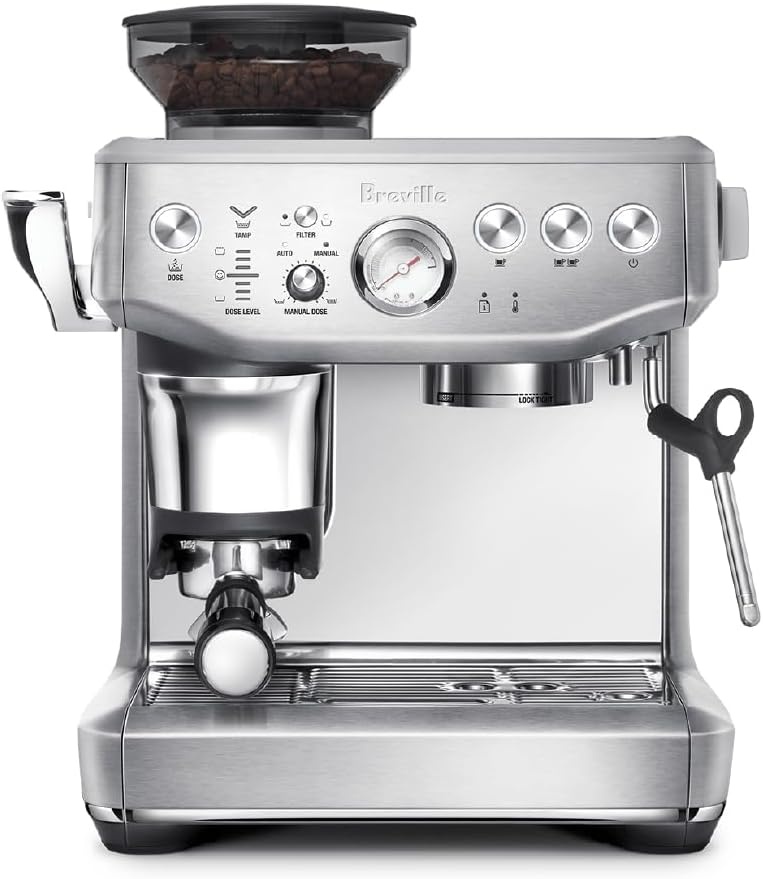
Breville BES876BSS Barista Express Impress, Brushed Stainless Steel
Grinder, machine, and assisted tamp in one box; nothing else to buy on day one
You're locked into Breville's burr set, and upgrading the grinder later means paying twice
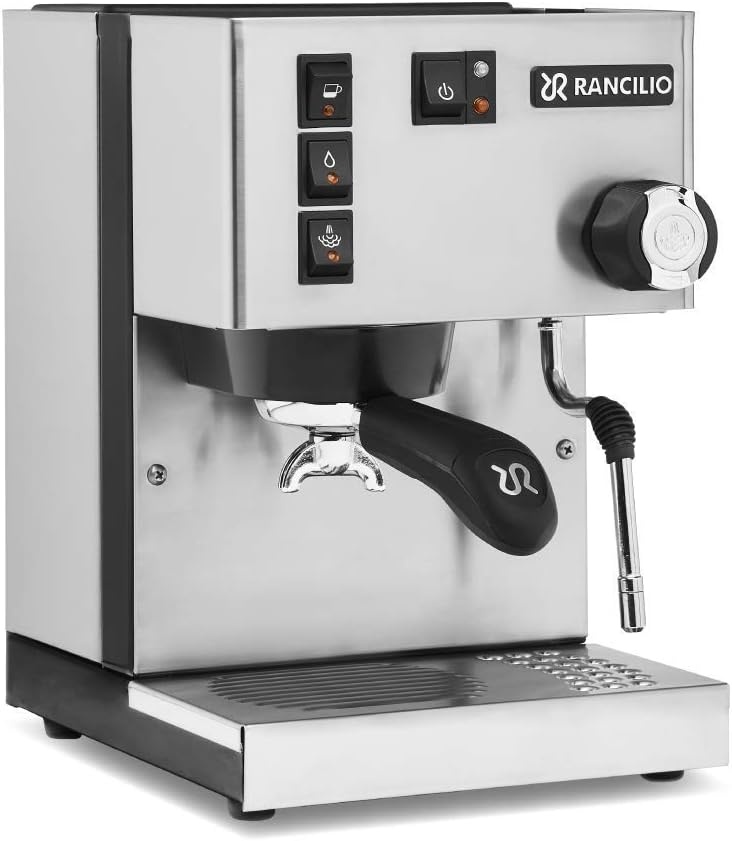
Rancilio Silvia Espresso Machine, Stainless Steel
Commercial-grade build and repairable parts; a platform, not an appliance
Real learning curve, and a drip tray you'll empty twice a day
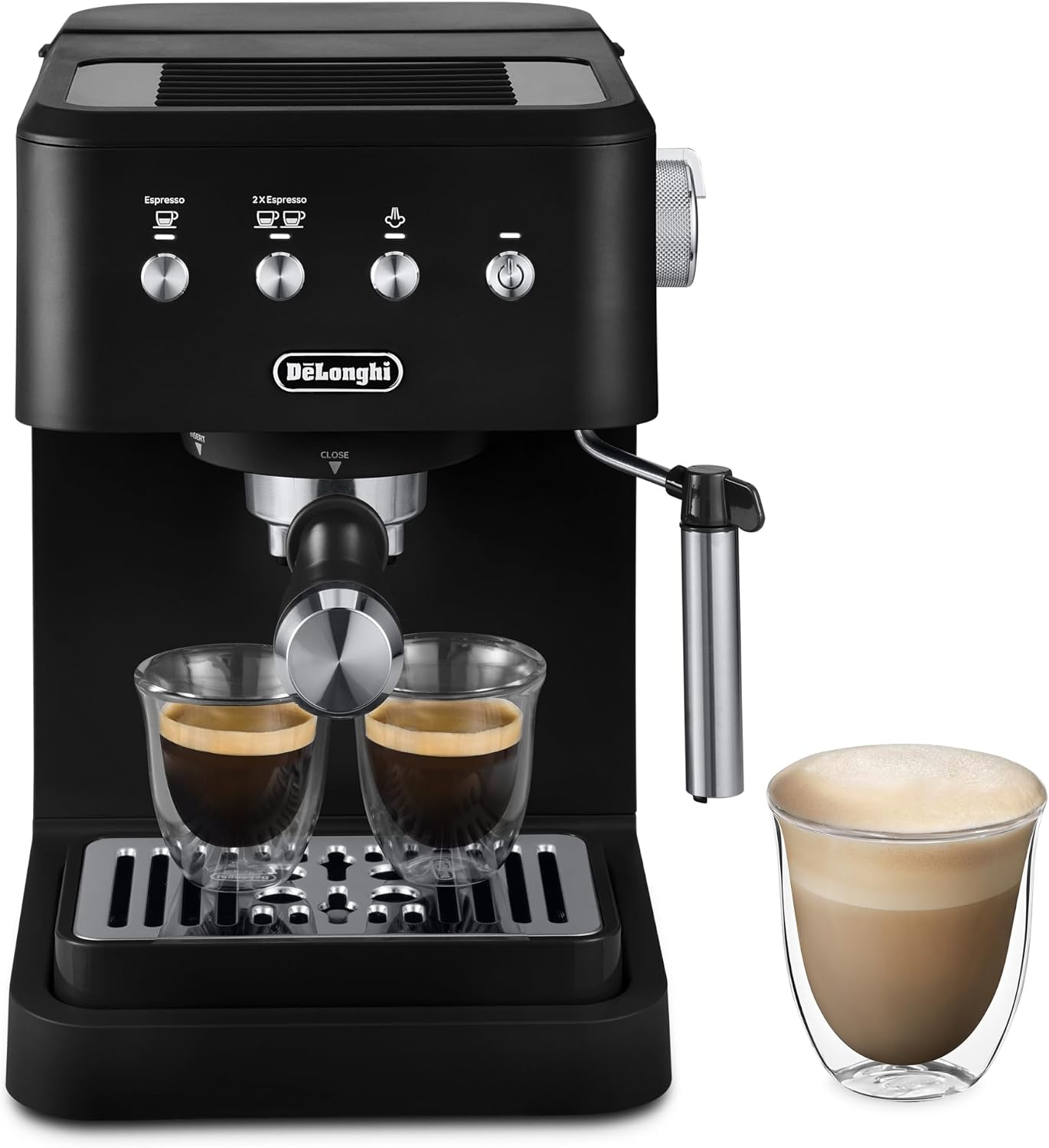
De'Longhi Classic Matte Black Espresso Machine, Easy-to-Use Milk Frother
Thin, fast to heat, cheap to own, and it fits a tiny counter
Pressurized basket and frother cap how good the shots get
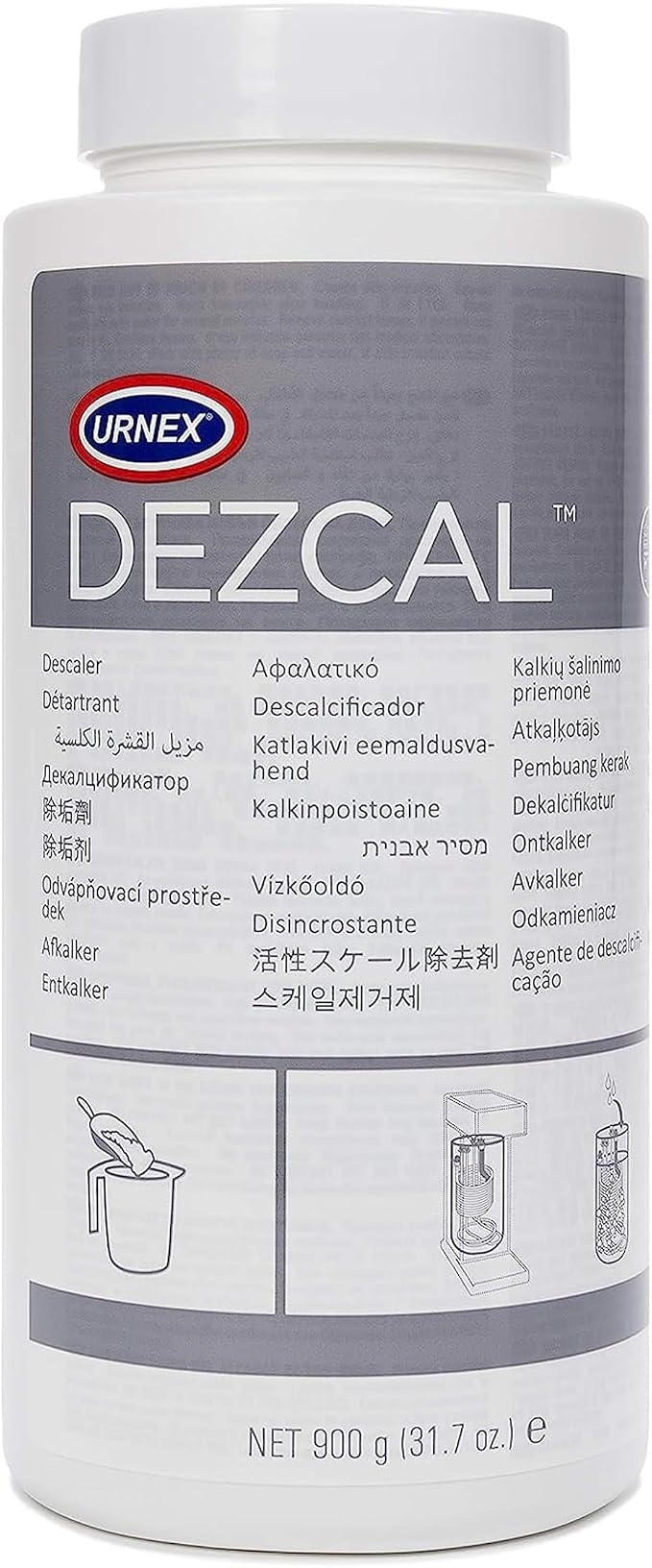
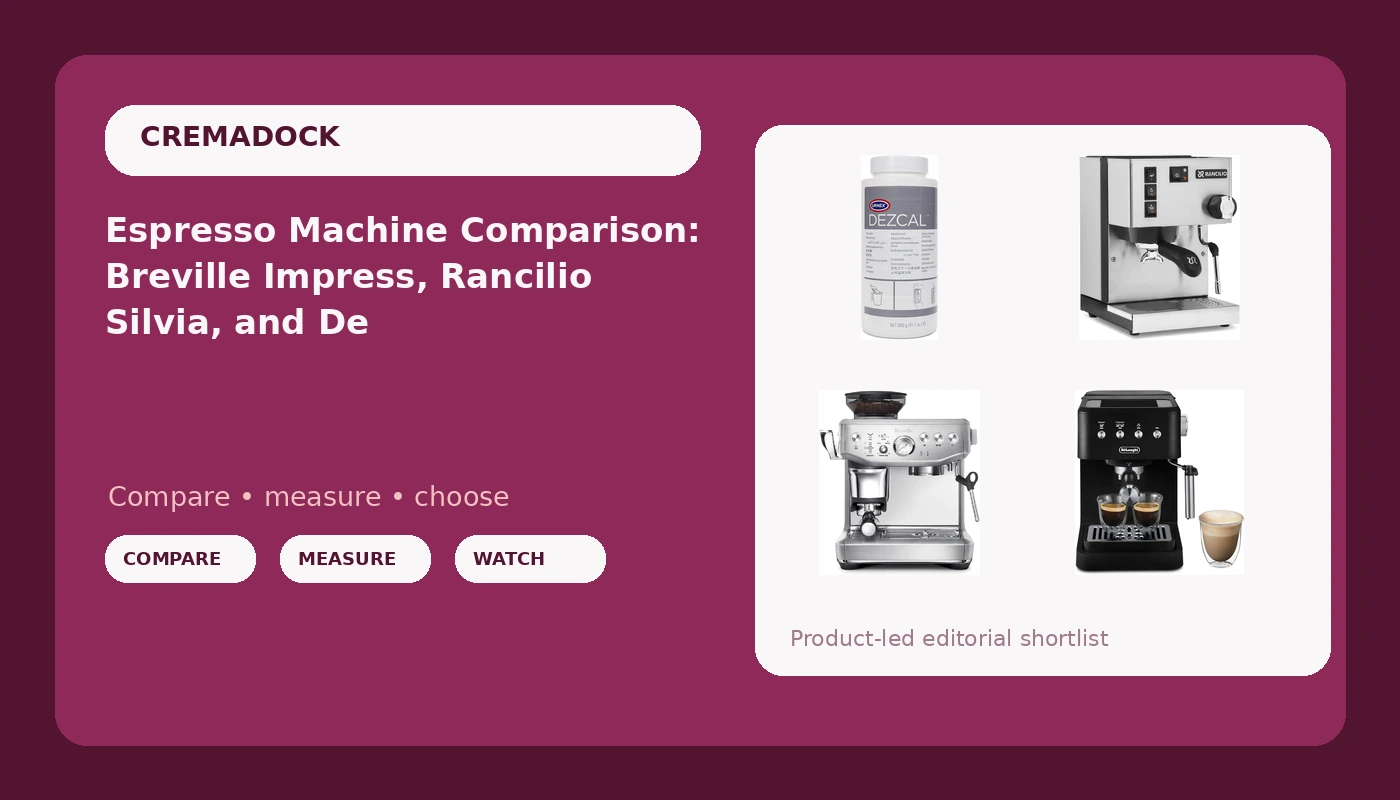
Urnex Dezcal Coffee and Espresso Machine Descaler Activated Scale Remover, 900g Bottle
Cheapest insurance in this article; a 900g bottle lasts a long time
Not a machine, and nobody enjoys the job it does
Prices and availability were captured from Amazon Creators API and may change.
How I judge an espresso machine
Five questions, in this order:
- Would I still be happy pulling two shots on it at 6 a.m. in year three?
- How painful is the descale, really, and will I actually do it?
- Can the grinder keep up, or am I buying a $500 machine that needs a $300 grinder to be worth it?
- What breaks first, and how much does the replacement part cost?
- Would I tell a friend to buy this, or just not discourage them?
Notice that only one of those questions is about shot quality. That's on purpose. Every machine in this comparison can pull a good shot if the beans are fresh and the grind is dialed. The differences show up in month eight, when the honeymoon is over and the machine still has to be cleaned, filled, and descaled by someone who would rather be drinking coffee than maintaining it.
The all-rounder: Breville Barista Express Impress
I know this platform better than any other machine on the market, because I lived on the Barista Express line for nine years. What that taught me: the included portafilter is genuinely good, which is rare at any price. The built-in burr grinder means you aren't budgeting for a separate grinder on day one. And the pressure gauge, if you learn to read it, tells you more about your puck than any review will, including this one.
The Impress version takes the step most people ruin, tamping, and puts it on a lever. That's the whole pitch. If your shots are inconsistent because your tamp is inconsistent, this machine removes the variable. The workflow is grind, level, tamp with the lever, lock, pull. Nothing exotic, nothing you need a class for.
Where it loses points: you're locked into Breville's burr set. When you outgrow the grinder, and you probably will, you're buying a standalone grinder and running the built-in one as a backup. That's the paying-twice problem, and it's the honest argument against every all-in-one machine. The counterargument is that most people never outgrow it, and a machine you use daily beats a better machine that intimidates you into using the drip coffee maker.
The tinkerer's tank: Rancilio Silvia
The Silvia is the other tinkerer's classic, the machine people keep for a decade and then hand to a friend who keeps it for another. Build quality is the reason. This is a machine with real parts inside it, and parts you can still buy years later, which is more than I can say for a lot of the shiny appliances in this category.
It is not the machine I'd hand a beginner. There's a learning curve, and the drip tray is tiny enough that you'll be emptying it constantly, which sounds like a small complaint until you're doing it twice a day. If you've only ever used a machine that manages temperature for you, expect an adjustment period. You are not buying convenience here. You are buying a platform: something you add to over time, learn on, and eventually know well enough to fix yourself.
The Silvia math works differently from the Breville math. You're paying for a boiler and a build, not a grinder and a display. That means the true cost of ownership starts higher than the sticker, because a great machine with a weak burr grinder makes sad coffee at any price. Budget for the grinder first. If that math works for you, the Silvia is the machine in this comparison most likely to still be on your counter in 2036.
The small-kitchen starter: De'Longhi Classic Matte Black
This is the machine for the person with twelve inches of counter and a habit to support. It's thin, it heats quickly, and it makes surprisingly decent espresso for the money if you pair it with a real burr grinder and eventually ditch the pressurized basket. The easy-to-use milk frother is the other half of the pitch: you can make a cappuccino without learning steam wand technique, and that counts for something at 6 a.m.
What you're giving up is ceiling. Pressurized baskets flatter stale coffee and hide a bad grind, which is exactly why they're forgiving and exactly why they cap how good your shots can get. The frother produces a version of milk texture rather than the real thing. None of that makes it a bad machine. It makes it a starter machine, and the question is whether you're the person who upgrades in two years or the person who's happy with the same setup for eight. If it's the second one, this is a lot of machine for the price. If it's the first, buy it anyway and put the money you saved toward the grinder.
The bottle that keeps the other three alive: Urnex Dezcal
Here's the part of this comparison nobody wants to read. An espresso machine is a maintenance contract with a pump attached. Buy the one you'll actually clean, or it doesn't matter how good the shots are. The boiler is where machines die, slowly, from the inside, and what kills it is the water you can't see in the cup.
Urnex Dezcal is the descaler I keep on the shelf: a 900g bottle that handles boilers, heating elements, faucets, spray heads, and milk systems. A bottle that size goes a long way, and it's the cheapest insurance in this entire article. Run it on schedule and your heating element keeps doing its job. Skip it and you'll find out what scale does to a boiler at the worst possible moment, usually a Saturday morning with guests already in the kitchen.
Confession: I have a bottle in the cabinet that I bought about nine months ago and am still, technically, about to use. Do as I say. Descale like it's a mortgage payment. Your machine will tell you when it wants attention, and that clean me light is not a suggestion.
What breaks first, and what it costs
Across nine years on one machine, the failure pattern was boring and predictable: seals, then valves, then electronics. The grouphead gasket and the o-rings at the portafilter tip go first, and they're cheap. The solenoid goes next, and that's the buzz and the leak from the bottom. Mine was a twenty dollar part and an afternoon of swearing, because reaching it means disconnecting every tube in the machine and hoping they all go back on. They didn't. The triac, the component that controls power to the heating element, is the one that ends the relationship, because by then you're weighing a repair against a replacement.
The expensive failure is always neglect. A machine that gets descaled on schedule and never runs dry can go nine years. A machine that gets topped up from the tap and never sees a descaling solution dies at eighteen months, and the owner blames the brand. Two rules cover most of it: do not let the water run out, ever, because a dry boiler is how machines die young, and clean the grouphead so every shot doesn't taste like yesterday's coffee.
The trade-offs the table can't show
Convenience against ceiling. The De'Longhi and the Breville are built to remove decisions from your morning. The Silvia is built to give them back to you. Neither philosophy is wrong, but you have to pick one, because a machine that fights your personality ends up in a cabinet.
The grinder is half the machine. This is the trade-off that decides more purchases than any spec. An all-in-one solves it by bundling a decent grinder with the machine. The Silvia solves it by making you buy one separately. Either way, the burr grinder matters as much as the boiler, and no machine here fixes a stale bean.
Small annoyances that compound. Water tanks you can't see the level of from the front will get run dry, and I told you not to run it dry. Drip trays that need emptying every two shots turn a pleasant ritual into a chore. Cheap stainless plating wears through and shows the plastic underneath, usually right where your hand rests. None of these show up in the first week. All of them show up in the first year.
And ignore the marketing crema. Every product photo shows a thick, syrupy layer that no home machine has ever produced from a normal bean. If you're comparing machines based on the crema in the listing image, you're comparing photography, not espresso.
Who should buy which
Buy the Breville Barista Express Impress if you want one box, one purchase, and a repeatable morning with the tamp variable removed. It's the pick for most homes, and it's the machine I'd hand a friend who wants lattes without a hobby.
Buy the Rancilio Silvia if you already own a real grinder, you like knowing how your equipment works, and you'd rather learn the machine than have it learn you. Budget for a better grinder and expect a learning curve. In exchange you get a tank that outlives its owner.
Buy the De'Longhi Classic if your counter is small, your budget is smaller, and you want a cappuccino without a technique lesson. Pair it with a burr grinder, treat the pressurized basket as a starting point rather than a destination, and it will earn its space.
Buy the Urnex Dezcal regardless of which machine you choose. It's the least exciting item here and the one most likely to determine whether you're still pulling shots in year five. The bottle is cheap, the schedule is simple, and the alternative is a shoebox of dead parts under the sink, which is exactly where mine lives.