I spent most of my twenties behind a café counter, pulling shots for people who wanted extra caramel, and I have had a Breville Barista Express on my own kitchen counter since 2015. So when somebody asks me to put together a budget espresso starter kit, I know what the question underneath the question is: can I get into this for the price of a nice dinner, or am I about to buy a paperweight with a portafilter attached? The four items below are exactly what ends up in that cart. Two compact machines, a beginner recipe book, and a limescale pad. I will tell you what each one is actually for, and which ones I would hand to a friend without a warning label.
The short version: the atatix machine is the only item in this group that behaves like an espresso machine, the XIXUBX is a steam-driven milk warmer with a portafilter attached, the recipe book is the cheapest real upgrade in the cart, and the limescale pad is the only thing here that keeps a cheap machine from dying young. That is the whole argument in one sentence. The rest of this article is the why.
One thing before we go further. None of these four items has been on my countertop. My rule is that I do not recommend a machine I have not lived with for months, and I am not going to invent testing stories to make a comparison table look tougher than it is. What I can do is read a spec the way a guy who has replaced a solenoid valve reads a spec, and tell you which numbers mean something and which ones are decoration.
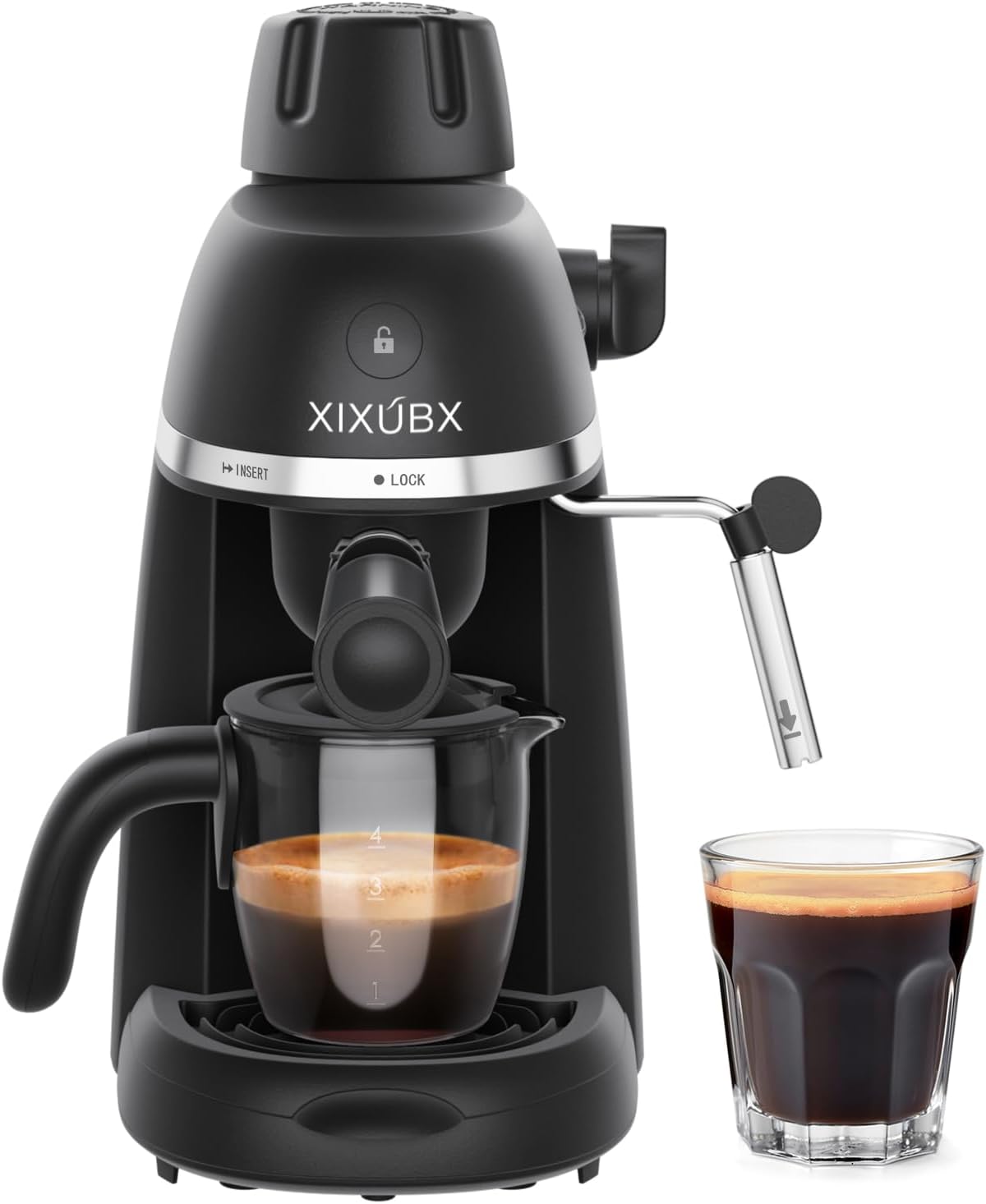
XIXUBX Compact Espresso & Cappuccino Machine, 3.5 Bar with Steam Wand
Smallest footprint here, simplest possible morning routine, and it still has a steam wand for milk
3.5 bar is steam pressure, not brew pressure, so it will not hold a true nine-bar shot and it has no real upgrade path
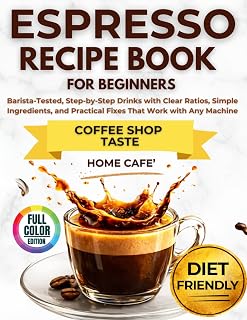
Espresso Recipe Book for Beginners: Barista-Tested, Step-by-Step Drinks with Clear Ratios, Simple Ingredients, and Practical Fixes That Work with Any Machine
Ratios and fixes are the real beginner bottleneck, and it works with whatever machine you already own
It is a book. It cannot grind beans and it cannot fix a machine that will not hold pressure
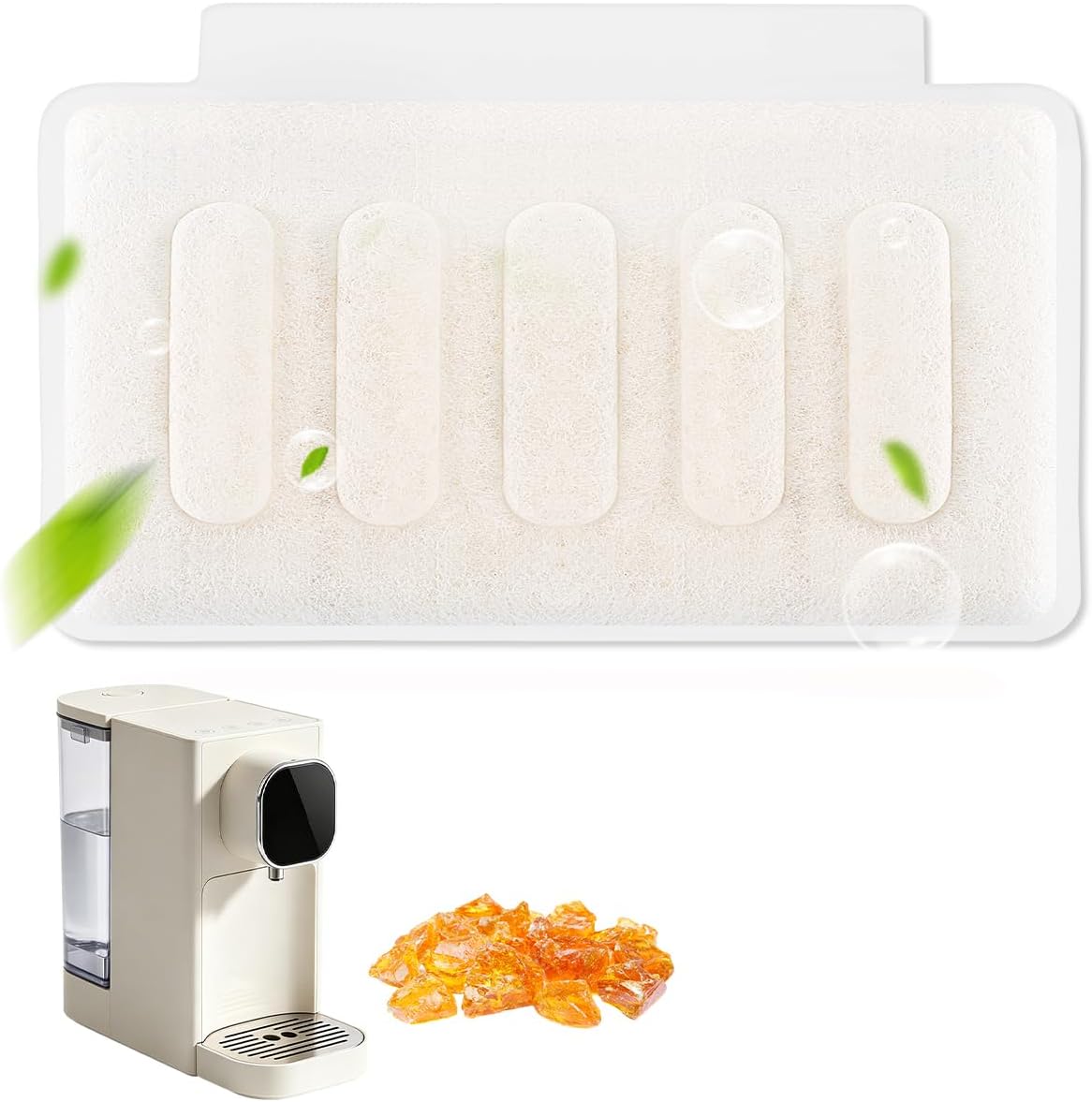
L Model Limescale Protection Pad for Coffee and Espresso Machine
The only longevity item in this cart, and scale is what quietly kills cheap machines
Invisible, unexciting, and it will not improve a single shot
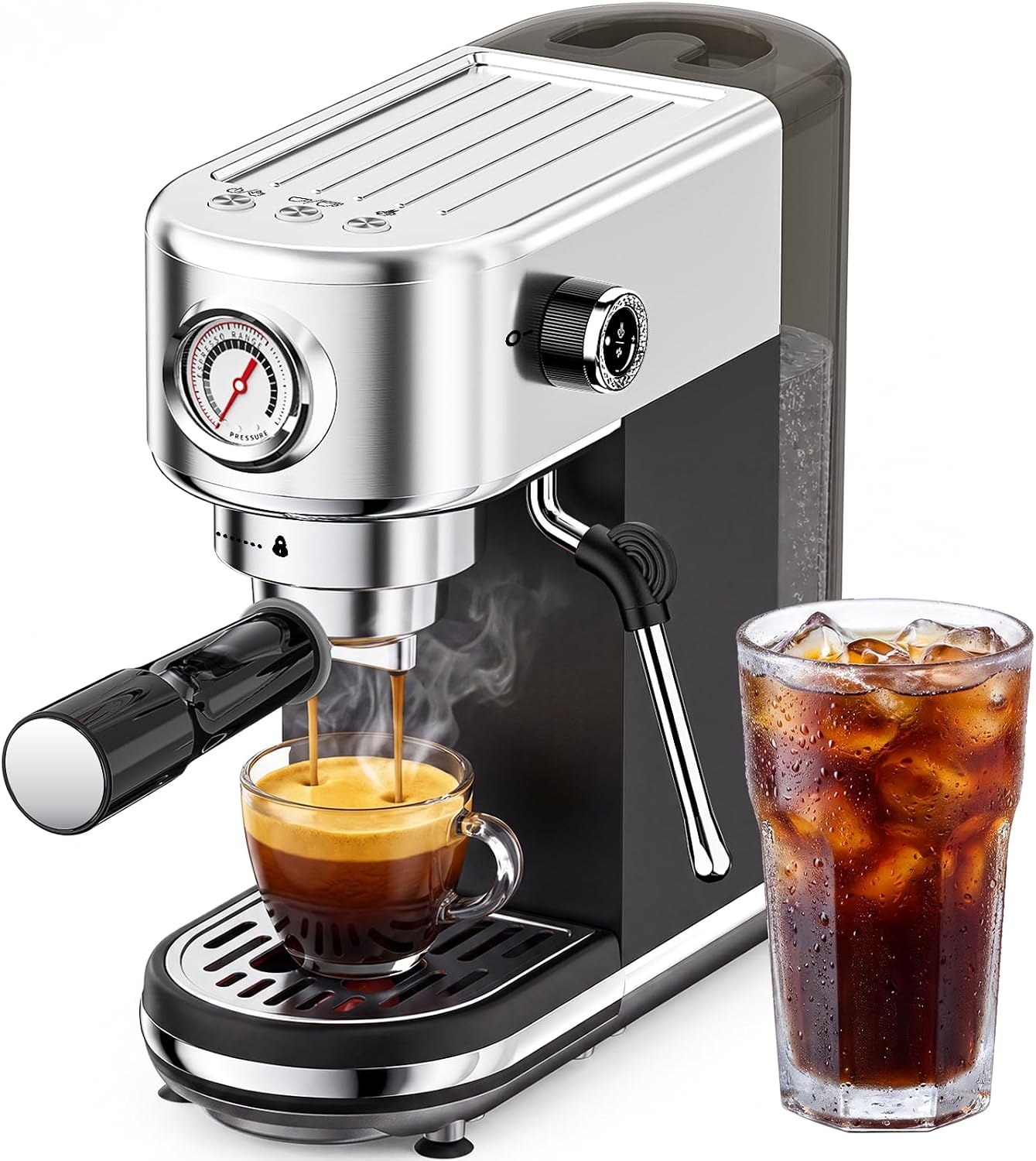
atatix Espresso Machine, 20 Bar Espresso Coffee Machine with Milk Frother
The only machine here with pump pressure and a frother, which is what an actual espresso habit needs
20 bar is a marketing number, not a brewing number, and it still needs a real burr grinder to be worth owning
Prices and availability were captured from Amazon Creators API and may change.
How I judge a starter kit
Five questions, in this order:
- Would I still be happy pulling two shots on it at 6 a.m. in year three?
- How painful is the descale, and will I actually do it?
- Can a grinder keep up with it, or am I buying a machine that needs a second machine?
- What breaks first, and how much does the replacement part cost?
- Would I tell a friend to buy this, or would I just not discourage them?
Notice that none of those questions is "how many bars." Bars are the easiest spec to print and the least useful one to shop by, which is exactly why both machines here lean on a bar number in the product name. Nine bars at the puck is the working target for espresso. A machine that can hold nine bars while water pushes through a packed puck of coffee is doing something real. A machine that cannot will still make a hot, strong, bitter cup, and people will call it espresso because it came out of a machine with the word espresso on the front.
atatix Espresso Machine, 20 Bar with Milk Frother
This is the one I would start with, with a caveat I will get to in a second.
Why it won: it is the only product in this comparison advertising pump pressure instead of steam pressure. Twenty bar is a marketing number, full stop. Nobody brews at twenty bar. Push twenty bar at a puck and it would channel, spray, and redecorate your counter. What that figure usually tells you is that there is a vibratory pump inside and an over-pressure valve or a restrictor bringing the actual brew pressure back down to something usable. That is real espresso architecture. It is also the architecture that can be descaled, repaired, and lived with, which is the part nobody puts on the box.
The milk frother matters more than people admit. A latte is mostly milk. If you cannot texture milk, you cannot make the drink you actually want, and you will be back at the coffee shop inside a month. A frother attachment is not a steam wand on a dual boiler, and I am not going to pretend it is. But it gets you into the neighborhood of a cappuccino, and that neighborhood is the difference between a habit that sticks and a machine that ends up in a closet behind the board games.
Why it lost: twenty bar is not a quality claim and the marketing around these machines treats it like one. What this machine actually lacks at this level is the thing that separates a good cheap setup from a frustrating one, and that is a grinder. Run it with pre-ground coffee in a pressurized basket and you will get an okay, slightly flat shot. Run it with a real burr grinder and beans ground minutes before the shot, and the same machine will surprise you. The machine did not change. The coffee did.
XIXUBX Compact Espresso & Cappuccino Machine, 3.5 Bar with Steam Wand
I have to be blunt about this one, because somebody is going to buy it as a first machine and I would rather they knew what they were getting.
A 3.5 bar machine is a different category of object. The pressure comes from steam rather than from a pump, and steam pressure is nowhere near what it takes to push water through a puck of coffee at nine bars. I have not torn this specific unit down, so I will not pretend to know its internals. But the spec it advertises, 3.5 bar with a steam wand, is the spec of the steam-driven machines that have existed in one form or another for decades. They heat water, they push it through coffee with steam pressure, and they make a strong, hot, coffee-ish drink that is genuinely pleasant with milk and sugar. They do not make espresso the way a café makes espresso, and no amount of technique closes that gap. You can weigh your dose and time your shot all you like. If the machine cannot build pressure at the puck, the puck does not care.
Why it won: footprint and simplicity. If your counter is the size of a cutting board and your goal is a hot milk drink in the morning with no learning curve, this is the least complicated route to it. It also has a steam wand, which is more than you can say for a drip machine, and it is the least expensive item in this comparison that can technically make you a cappuccino.
Why it lost: there is no meaningful upgrade path. No pressure gauge to learn from, no way to dial in a grind, because the brew is not being controlled by the puck. If you want to learn espresso, this teaches you something else. And here is my standing complaint about every machine at this level: check whether you can see the water level from the front before you buy. A tank you cannot monitor is a tank you will run dry, and a dry boiler is how machines die young. I have said that in every review I have written and I will keep saying it.
Espresso Recipe Book for Beginners
This is the sleeper pick, and I mean that seriously.
The bottleneck for almost every beginner is not the machine. It is not knowing what a shot is supposed to taste like, or what to change when it tastes wrong. Sour and thin means one thing. Bitter and harsh means another. A shot that gushes out in ten seconds means something else entirely, and the fix is the opposite of the fix for the shot that drips out in fifty. A book that lays out ratios, dose, yield, and the practical corrections for each failure mode does more for the coffee in your cup than any upgrade you can make for the same money.
Why it won: it works with any machine. It does not care what is on your counter, which is exactly why it belongs in a starter kit alongside a machine you might replace in two years. It is also the only item in this comparison that makes your next purchase smarter, because it teaches you what to look for when you outgrow what you own.
Why it lost: it is a book. It cannot fix a machine that will not hold pressure, and it cannot grind coffee. Read it, then spend money. In that order, ideally.
L Model Limescale Protection Pad
The least exciting product here and, long term, the most important one.
Scale is what kills cheap espresso machines. Every machine has a boiler or a thermoblock, water sits in it, water carries minerals, and those minerals plate onto hot metal. Over months that layer thickens, the machine runs hotter and slower, the pump works harder for the same flow, and then one morning the flow is a trickle and the machine is done. I have watched that happen to a machine I loved. It is not dramatic. It is a slow funeral with a lot of denial in the middle.
A limescale protection pad is a low-tech intervention, and whether it helps depends on what is in your water. If you are on hard municipal water like I am here in Ohio, anything that keeps minerals out of the boiler is worth considering, because the alternative is a descale schedule you will absolutely skip. That is not a guess about you. I have a bottle of descaling solution in my cabinet that I bought nine months ago and am still about to use. Do as I say.
Why it won: it is the only longevity item in this cart. Machines do not die because they were cheap. They die because nobody maintained them. A cheap machine that gets descaled outlives an expensive one that does not, every time.
Why it lost: it is invisible. It will not improve a single shot, nobody has ever been excited about one, and if you are buying exactly one item and calling it a setup, this is not that item.
The grinder problem nobody puts in the table
I have to say this part or the whole article is dishonest. The grinder is half the machine. A great espresso machine with a weak burr grinder makes sad coffee, and a modest machine with a good grinder and fresh beans makes coffee that embarrasses it.
If you buy the atatix machine and pair it with a blade grinder, you have bought an expensive lesson in frustration. If you buy it with a burr grinder, you are in business. This is also why the recipe book is not a throw-in. Dialing in a grind is a skill, and the book is where you learn what too fine and too coarse actually taste like before you waste a bag of beans finding out.
One more thing on the machine side: ditch the pressurized basket when you can. It exists to make pre-ground coffee behave, and it does, but it caps how good your shots can get. It is a crutch, and crutches are fine until you want to walk properly.
Who should buy which
- If you want an actual espresso habit and you are willing to buy a burr grinder within a few months: the atatix machine, plus the recipe book.
- If you want a hot milk drink with minimal counter space, minimal learning, and no ambition to chase café shots: the XIXUBX machine is honest about what it is.
- If you already own a machine and have never descaled it: the limescale pad, and a bottle of descaling solution, this weekend.
- If you are buying a gift for someone who mentioned wanting to learn espresso: the recipe book first. It costs less than a bag of good beans and it tells you whether they are serious before you spend real money on hardware.
What I would tell my friend
Here is the test I use before I recommend anything: would I tell my friend to buy this, or would I just not discourage them? The atatix machine passes the first test. The recipe book passes it easily. The limescale pad passes the first test for anyone on hard water. The XIXUBX passes the second test only, and that is not the same thing. I want to be clear about the difference, because "I would not stop you" is not a recommendation and I am not going to dress it up as one.
Buy the machine you will actually clean. Buy the grinder before you buy a second machine. Do not let the water run out. Ever. And if you take nothing else from a guy with a shoebox of dead parts under his sink, take this: the espresso machine is a maintenance contract with a pump attached, and the four items above only make sense once you accept that.