Shopping for budget espresso machines is mostly an exercise in reading past the box. Two machines can both print "20 bar" and behave nothing alike, and a machine rated at 3.5 bar is playing an entirely different game. After nine years of pulling shots on the same home machine, replacing a solenoid valve, and descaling on a schedule like it was a mortgage payment, the specs I trust are the boring ones: pressure rating, temperature control, portafilter size, what the steam wand actually does, and how painful the cleaning routine is going to be in month eight.
This guide covers six items in the budget espresso machines space. That includes one machine with a 58mm commercial-style group and PID temperature control, three listings of the same 20 bar atatix model, a compact steam-driven unit, and one accessory that costs less than a bag of good beans but changes how quickly you dial in a new coffee. Nothing here is a promise of café-grade shots without effort, because that machine does not exist at this end of the market. What you get instead is a clear map of what each option is built to do and what it will ask of you.
Related: How to Descale an Espresso Machine Without Killing It
Quick answer
The Gevi 58mm Commercial Espresso Machine|PID&NTC Temp Control with Steam Wand is the strongest fit for home baristas who want to treat temperature as an adjustable variable because it pairs PID and NTC temperature control with a 58mm commercial-size group and a manual steam wand. Choose the XIXUBX Compact Espresso & Cappuccino Machine, 3.5 Bar with Steam Wand instead when counter space is the hard constraint and you want a small, simple machine for occasional milk drinks.
Espresso machines worth comparing
The grid below is ordered with the strongest overall fit first. Each card is a separate listing, and the three atatix entries share a model name, which usually means color or bundle variants rather than three different machines.
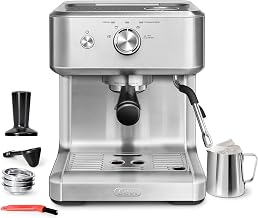
Gevi 58mm Commercial Espresso Machine|PID&NTC Temp Control with Steam Wand
A 58mm commercial-size group paired with PID and NTC temperature control and a steam wand, aimed at home baristas who want to adjust brew temperature and use standard-size baskets, tampers, and accessories.
Visit on Amazon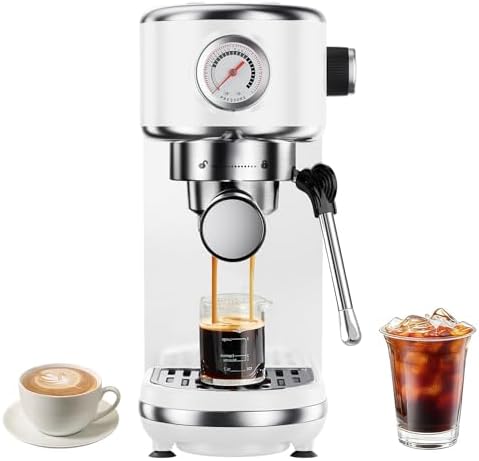
atatix Espresso Machine with Milk Frother, 20 Bar Pressure Espresso Maker
A 20 bar pump espresso maker with an integrated milk frother, positioned for buyers who want a mid-range machine that handles milk drinks without a separate frothing pitcher and wand technique.
Visit on Amazon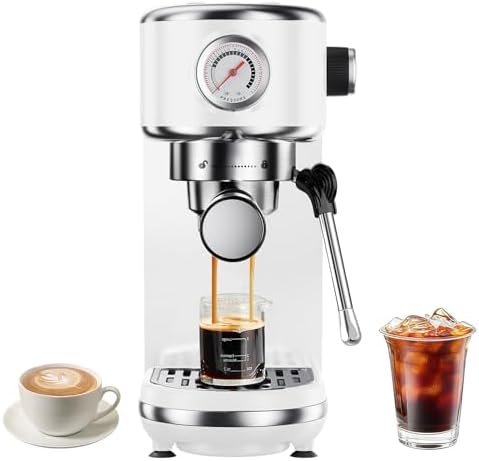
atatix Espresso Machine with Milk Frother, 20 Bar Pressure Espresso Maker
The same 20 bar atatix model name and frother setup as the other atatix cards, listed separately. Confirm the exact variant, finish, and included accessories on the listing before ordering.
Visit on Amazon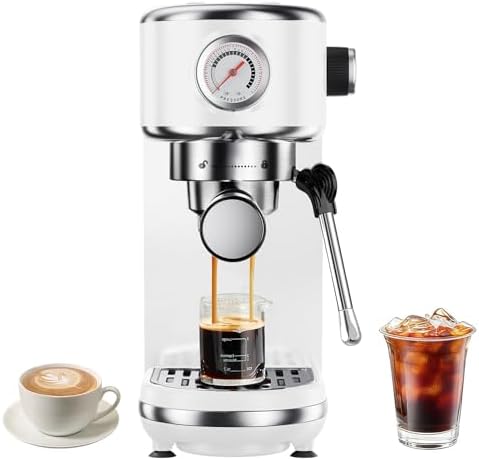
atatix Espresso Machine with Milk Frother, 20 Bar Pressure Espresso Maker
A third listing under the same atatix 20 bar model name with milk frother. If the specs look identical to the other two, the difference is almost certainly cosmetic or bundled, so compare the listing details side by side.
Visit on Amazon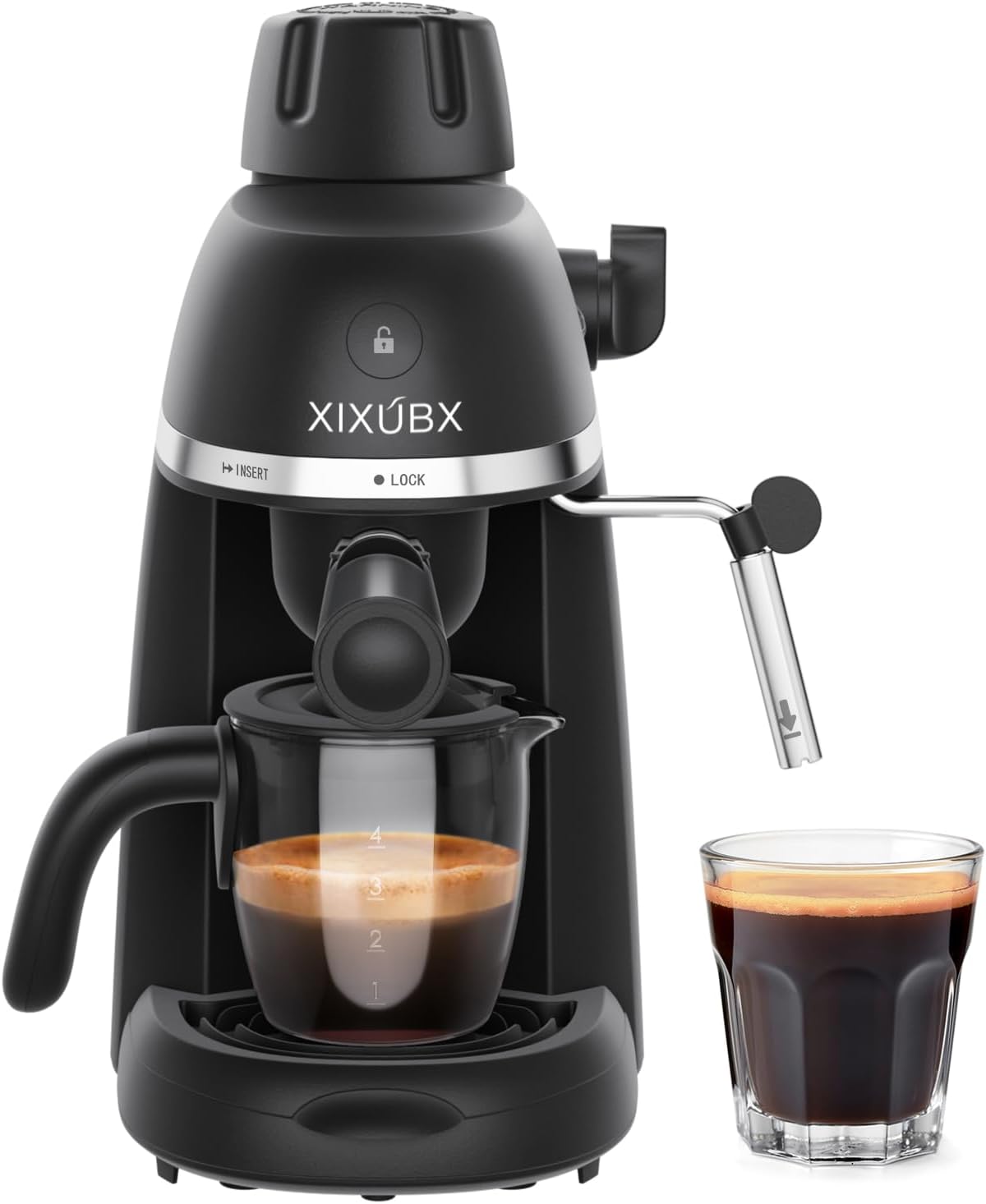
XIXUBX Compact Espresso & Cappuccino Machine, 3.5 Bar with Steam Wand
A small-footprint espresso and cappuccino machine rated at 3.5 bar with a steam wand, built for tight counters and simple milk drinks rather than dialing in a grind.
Visit on Amazon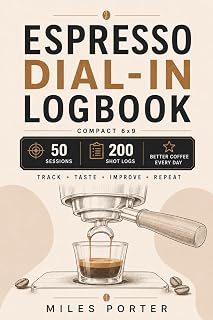
Espresso Dial-In Logbook: Compact Shot Tracker for Home Baristas - 50 Sessions, 200 Shot Logs + Fast Dial-In Guide
Not a machine, but a 50-session, 200-shot tracking logbook with a dial-in guide for recording dose, grind, and time so you can repeat a good shot instead of rediscovering it.
Visit on AmazonPrices and availability may change. Check the retailer for current details.
How these products were compared
This guide compares pressure rating, temperature control, group and portafilter size, steam and milk handling, and the maintenance routine each machine implies. Product names, images, and retailer links are matched by ASIN so that every card points to the product shown.
The comparison is built from the published specifications on each listing rather than from a bench test, so treat pressure figures and temperature claims as manufacturer statements. Where a spec is missing, that absence is part of the answer: a machine that does not advertise temperature control does not have it. Use the retailer link on each card to confirm the current price, availability, and return terms before you commit.
How to choose the right espresso machine
Pressure is the first number to decode, and it is the one most often used as decoration. Traditional espresso extraction happens around nine bar at the group, so a machine rated at 20 bar is not twice as good as one rated at 10. The extra headroom exists to keep pressure stable while the pump works, not to make the coffee stronger. A 3.5 bar machine belongs to a different category entirely. At that rating you are looking at steam-driven pressure, which produces a concentrated, strong cup, but not the same body or crema a pump machine delivers, and it will not respond to small grind adjustments the way a nine-bar machine does. If your goal is learning to dial in, start with the pump machines and treat the compact steam-driven option as a convenience machine.
Temperature control is the second thing to look for, because brew temperature swings are what turn a good bean into a bitter or sour shot. PID and NTC control, as found on the Gevi, holds a target temperature instead of cycling between a thermostat's on and off points. Portafilter size is the third. A 58mm group is the commercial standard, which matters less for the number itself than for what it unlocks: baskets, tampers, distribution tools, and leveling devices in that size are everywhere and inexpensive. Smaller pressurized baskets are forgiving of pre-ground coffee, but they cap how far you can improve. And be honest about the grinder. A burr grinder is half the machine, and no machine in this group will rescue a blade grinder. If you have not sorted out burr grinder basics yet, budget for that before you upgrade the machine.
Gevi 58mm Commercial Espresso Machine|PID&NTC Temp Control with Steam Wand
On paper, the Gevi is the only machine in this group that treats temperature as something you control rather than something you accept. The PID and NTC temperature control is the headline, and it matters for the same reason a pressure gauge matters: it gives you a number to read and adjust instead of a vague sense that today's shot tasted different from yesterday's. The 58mm group and basket size is the same standard used on commercial machines, so aftermarket baskets, tampers, and distribution tools fit without adapters. The steam wand is a manual wand rather than a frothing attachment, which is the right call if you want to texture milk for a flat white instead of aerating it into stiff foam.
The trade-offs are real and worth saying plainly. There is no grinder in the box, so this machine only performs as well as the burr grinder you pair with it, and a great machine with a weak grinder makes sad coffee at any price. PID control is only useful if you actually change the setting; a temperature display you never touch is an expensive thermometer. It is also physically larger than the compact options here, so measure the counter and the clearance under your cabinets before ordering.
Alternatives to consider
The atatix Espresso Machine with Milk Frother, 20 Bar Pressure Espresso Maker is better suited to someone who wants a mid-range pump machine with milk handling built in and no interest in learning steam wand technique, while the XIXUBX Compact Espresso & Cappuccino Machine, 3.5 Bar with Steam Wand is a stronger fit when the counter is small, the budget is tight, and the drinks are simple.
The other atatix listings and the Espresso Dial-In Logbook cover the rest of the field. The atatix cards repeat the same model name, which usually signals a finish or bundle variation rather than a different machine, so compare the listing details directly. The logbook is not a machine at all: it is a 50-session, 200-shot tracker with a dial-in guide, and it earns a place here because the fastest way to improve your espresso is to write down the dose, grind setting, and shot time instead of guessing at them from memory.
Day-to-day use and maintenance
Every machine on this list is a maintenance contract with a pump attached, and the routine is the same whether you spend a little or a lot. Backflush the group and clean the basket and portafilter regularly, because a grouphead that is not clean makes every shot taste like yesterday's coffee. Descale on the schedule your manual specifies. Mineral buildup dissolves the boiler from the inside, slowly, and it is the single most common reason a working machine turns into a paperweight. Do not let the water tank run dry. Ever. A dry boiler is how machines die young.
Buy a burr grinder you can live with, weigh your dose, and time your shots rather than judging them by eye. Fresh beans matter more than any feature on this page, and a stale bean will make a good machine look broken. When you descale, use a solution intended for espresso machines and follow the manufacturer's instructions for the dilution and rinse steps; do not substitute whatever is under the sink just because it is acidic. If your machine has a cleaning indicator, treat it as the machine asking for help rather than a suggestion, and if it has a pressure gauge, learn what the needle does during a shot, because it will tell you more about your grind than any review can.
Buying checklist
- Measure your counter depth, width, and the clearance under your upper cabinets, especially before buying a 58mm machine.
- Choose the pressure class based on normal use: a pump machine around nine bar and up for dialing in, a compact steam-driven unit for convenience.
- Confirm that the exact listing includes the features you are paying for, particularly temperature control and the portafilter size.
- Check whether a grinder is included, and if not, budget for a burr grinder alongside the machine.
- Read the cleaning and descaling instructions before purchase, and confirm you can actually reach the group, tank, and drip tray.
- Verify the current retailer price, availability, and return terms on the listing itself.
Final recommendation
Choose the Gevi 58mm Commercial Espresso Machine|PID&NTC Temp Control with Steam Wand when you want temperature control, a commercial-size group, and a manual steam wand, and you are willing to pair it with a real burr grinder. Choose the XIXUBX Compact Espresso & Cappuccino Machine, 3.5 Bar with Steam Wand when space and simplicity matter more than dialing in, and pick one of the atatix 20 bar listings when you want pump pressure and built-in milk frothing at a mid-range point. If you are still deciding between the two paths, the honest test is whether you will weigh your dose and adjust a grind setting in month three. If the answer is yes, buy the machine with the temperature control. If the answer is no, buy the simple one, keep it clean, and spend the difference on better beans.