The first thing I tell anyone building a home espresso setup is that the machine is only about half of what you are actually buying. I ran a Breville Barista Express every single day for nine years, swapped water filters every 60 uses or two months, replaced the o-rings at the grouphead, and descaled on a schedule I treated like a mortgage payment. When it finally gave up the ghost, the parts that mattered were never the ones in the marketing photos. They were the water going into the boiler, the beans sitting on the counter, and the grinder feeding the basket.
So when I look at a starter list like the four pieces below, I do not see four products fighting over the same job. I see one routine split across four purchases: something to pull the shot, something to texture the milk, something to keep the beans from going flat, and something to keep the water from killing the boiler. A home espresso setup is a system, and the cheapest part of the system is often the part that decides whether the expensive part survives year three.
Related: Espresso Machine Water and Descale Basics
For most kitchens starting from zero, the AMZCHEF Espresso Machine with Grinder does the most work per dollar, because it is the only item here that both grinds and pulls a shot. Pair it with the Veken canister for the beans and the cationic resin filter for the water, and treat the SIMPLETASTE frother as the optional fourth piece you buy only if the steam wand leaves you cold.
One honest note before the table. I have not run these four products on my own countertop, and I am not going to write like I have. My nine years belong to the Breville. What I can do is tell you what each piece is for, where the design tends to win, and what I would check before spending a dollar.
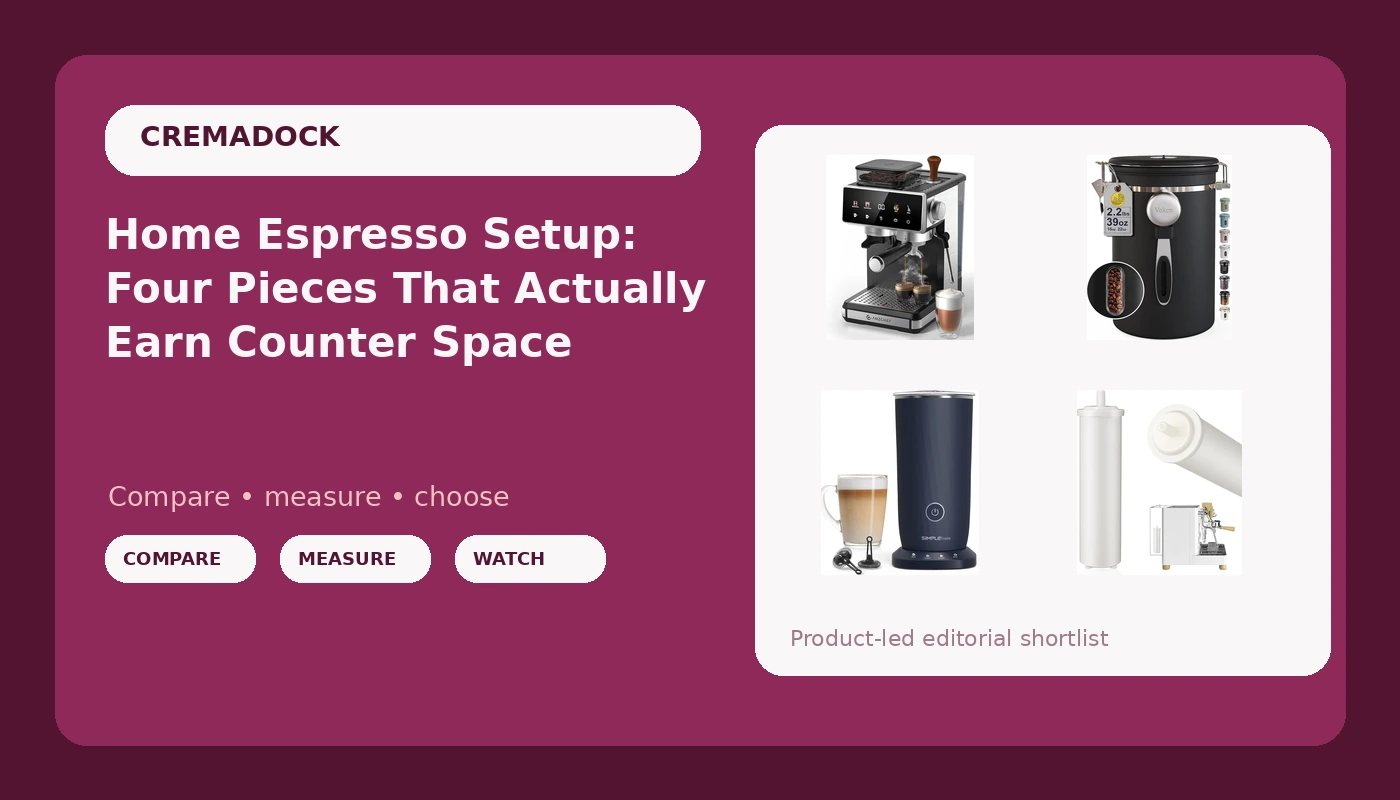
AMZCHEF Espresso Machine with Grinder, Latte & Cappuccino for Home Use
Grinder and espresso machine in one box, which solves the two hardest parts of a starter setup at once
All-in-ones trade burr quality and repairability for counter space, and you live with the grinder it ships with
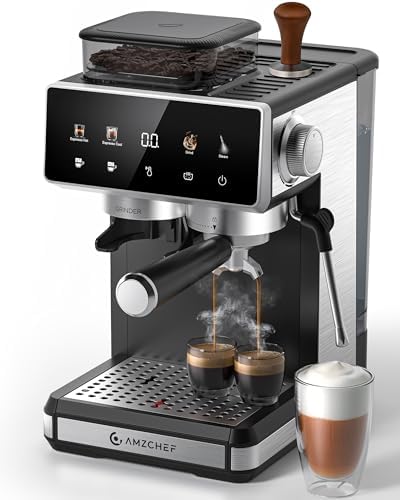
Veken Coffee Canister with Window, 39OZ Large Airtight Stainless Steel Jars
Airtight, stainless, and the window lets you read the bean level without breaking the seal
It holds one bag rather than a bulk order, and no canister rescues beans that were stale when they arrived
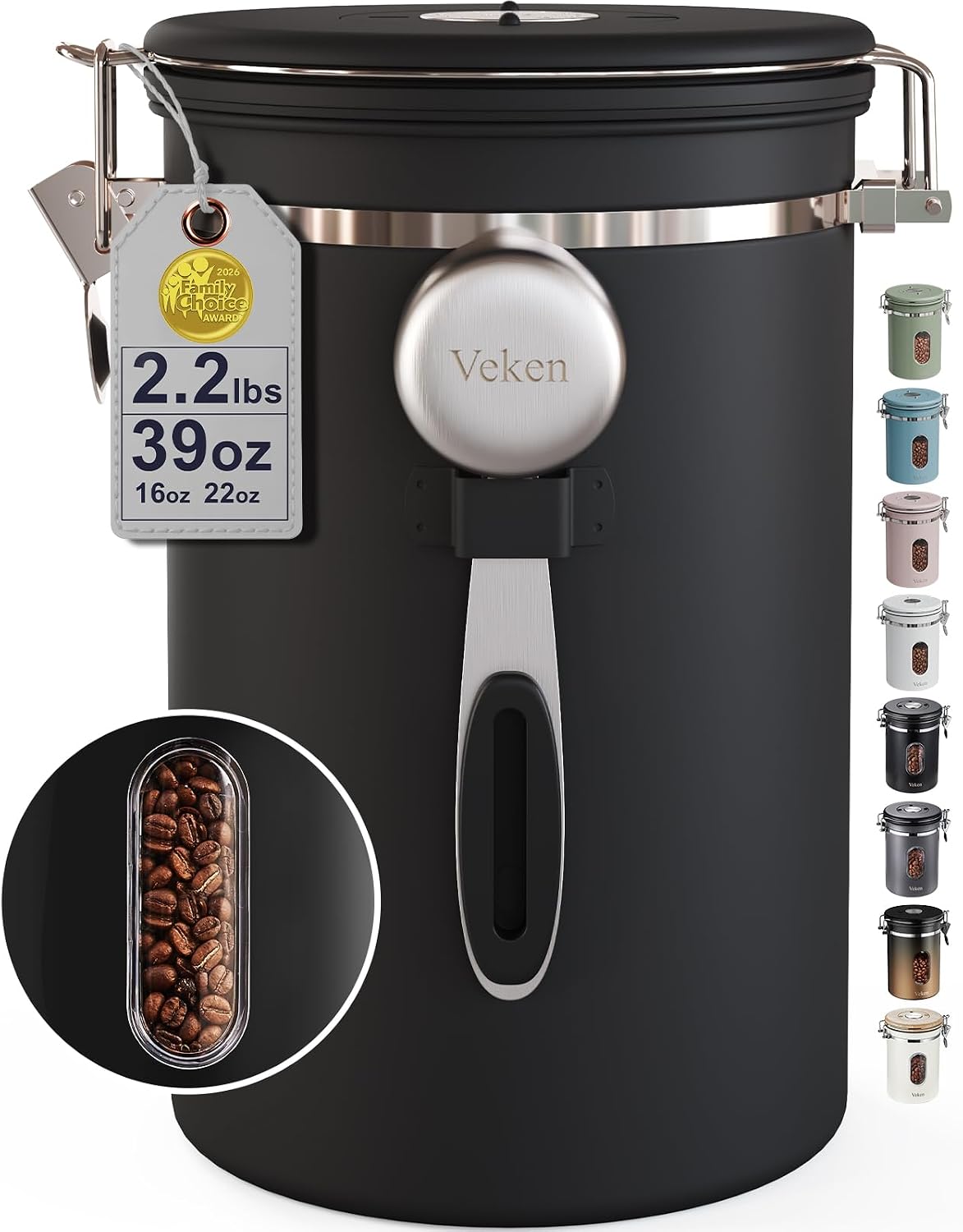
SIMPLETASTE Milk Frother, 4-in-1 Electric Automatic Milk Steamer, Dark Blue
Takes milk texture off a weak steam wand and gives you repeatable foam for lattes and cappuccinos
It is another appliance to clean, and a decent wand does the same job without a second cord on the counter
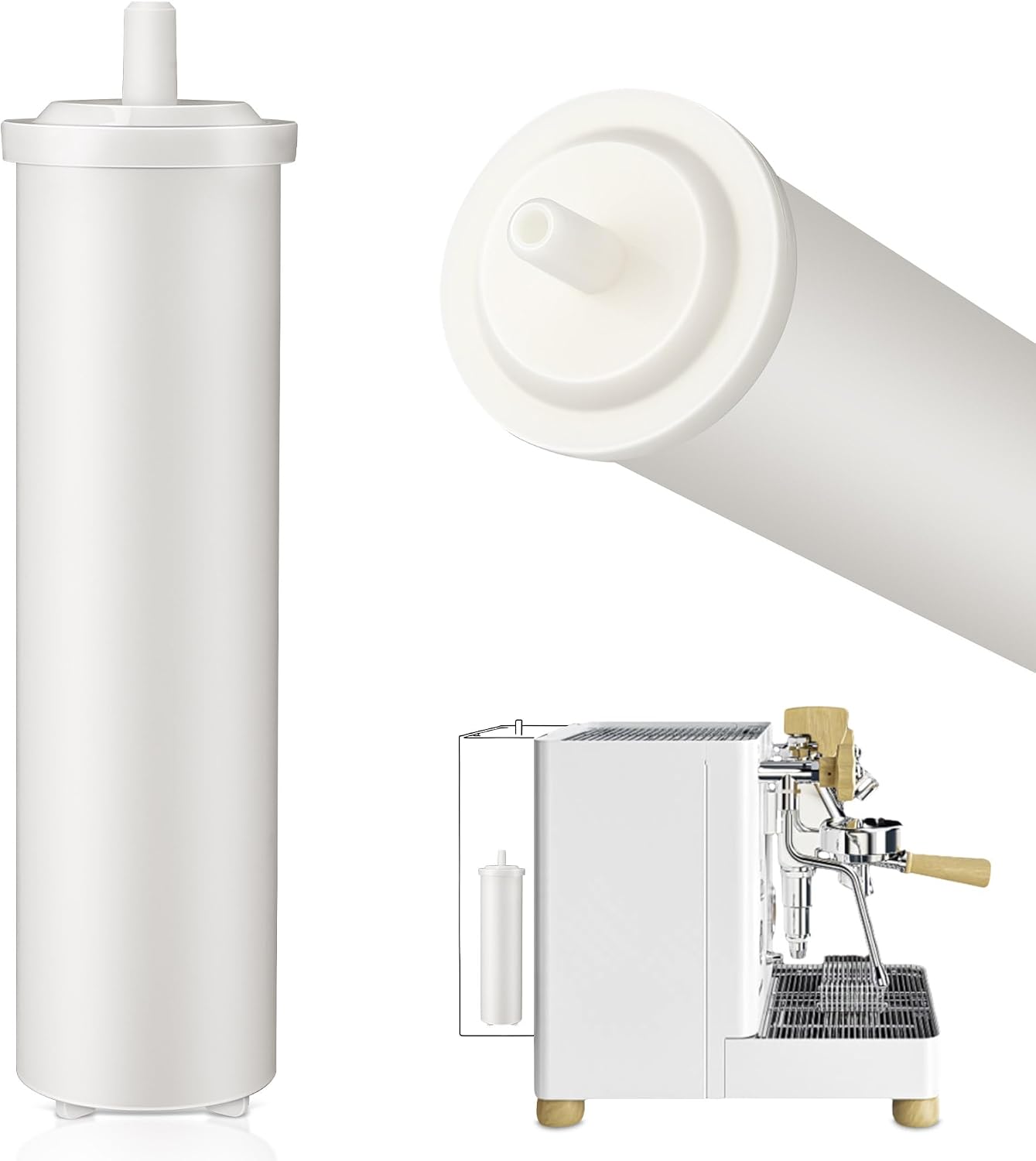
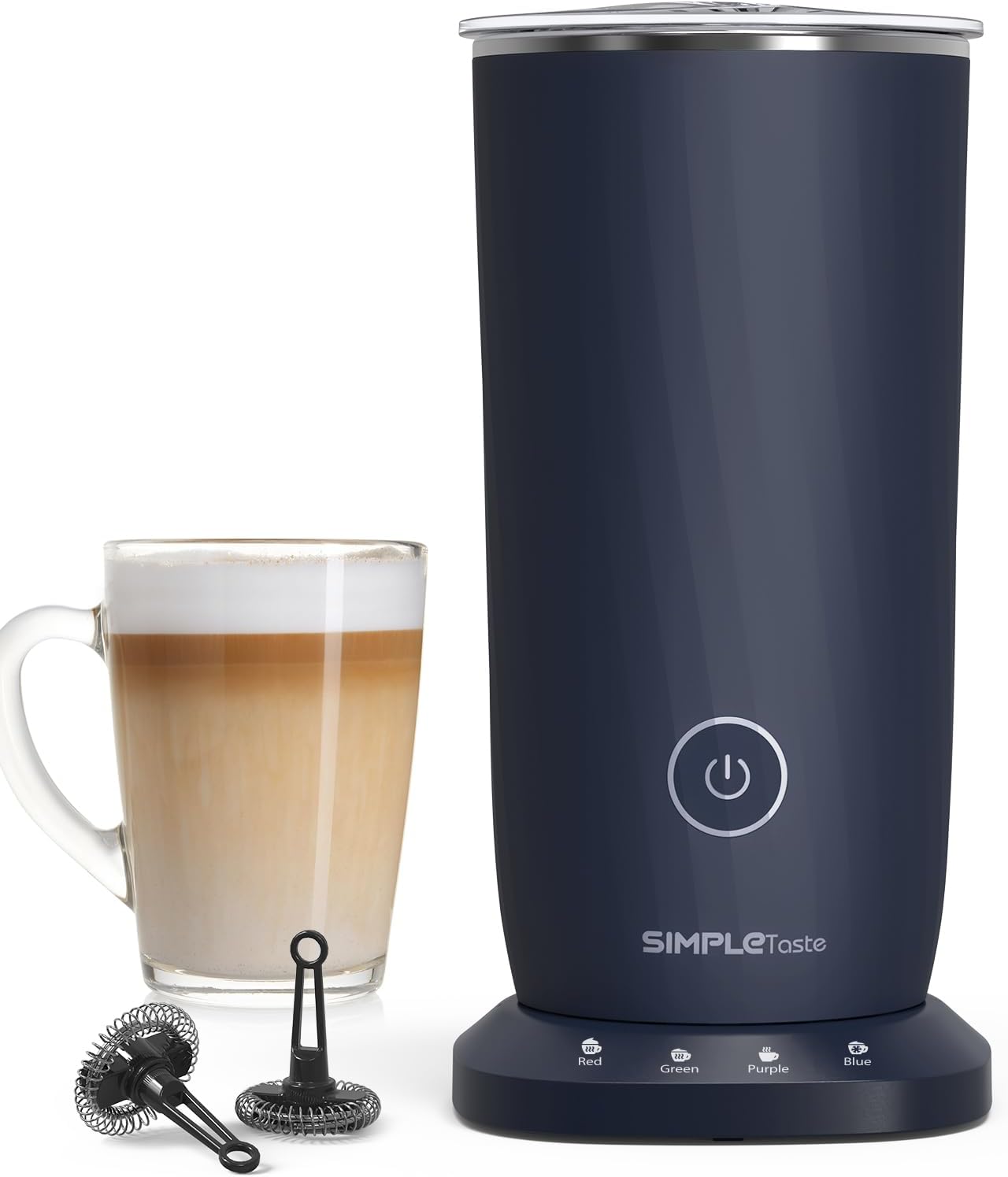
70L Cationic Resin Filter Compatible with LELIT PLA930M Espresso Machines, Upgraded Cationic Water Softeners for Tank
Cheap insurance against scale, which is the most common way a home machine dies young
It is shaped for the LELIT PLA930M tank, so compatibility is your job to verify, not the listing's
Prices and availability were captured from Amazon Creators API and may change.
How I judge a home espresso setup
Five questions, in this order.
First, would I still be happy pulling two shots on it at 6 a.m. in year three? Second, how painful is the descale, really, and will I actually do it? Third, can the grinder keep up, or am I buying a machine that needs a separate grinder before it is worth anything? Fourth, what breaks first, and how much does the part cost? Fifth, would I tell a friend to buy this, or just not discourage them?
Notice that none of those questions is about crema in a marketing photo. The thick, glossy, uniform layer of fake crema you see on product pages is not something a home machine at this price has ever produced. What exists in a real kitchen is a puck that dumps out clean, a shot that runs 25 to 30 seconds, and a machine you are still willing to clean in February.
The machine: AMZCHEF Espresso Machine with Grinder
This is the anchor of the setup and the reason it is worth comparing the other three at all. A machine with a built-in grinder means you are not buying an espresso maker and then discovering you need to spend nearly as much again on a burr grinder to make it drinkable. The grinder is half the machine, and an all-in-one at least acknowledges that on the invoice.
What you give up is choice. The burrs are the burrs, the grind settings are the grind settings, and when the grinder side gets tired you cannot swap in a better one the way you would with a separate unit. That is the trade: fewer boxes, less control. For a first setup in a normal kitchen, I think that trade is usually the right one. For someone who already owns a real burr grinder, this machine is solving a problem you do not have.
Two things to check before you buy. Look at the water tank and confirm you can see the level from the front, because a tank you have to open to inspect is a tank you will eventually run dry, and a dry boiler is how machines die young. Then read the cleaning section of the manual and figure out what the machine wants and how often. If the answer is vague, that is your answer.
The frother: SIMPLETASTE 4-in-1 Milk Steamer
Milk texture is where cheap machines fall apart. Pulling a passable shot is a pump and grind problem. Steaming milk is a steam pressure and technique problem, and small machines often ship with a wand that behaves more like a hot air nozzle. A standalone frother sidesteps that entirely: pour milk in, press a button, get consistent foam without fighting a pitcher angle.
The 4-in-1 label covers the usual spread: warm and froth, froth only, warm only, and a cold setting for iced drinks. For a latte or a cappuccino at home, warm and froth is the mode you will use almost every time.
My criticism is the same one I level at every counter appliance: it is one more thing to clean, and cleaning is where good intentions go to die. A steam wand takes ten seconds to wipe down. A frother with a whisk and a coated interior takes longer, and if you skip it, the residue bakes on. Buy it if your machine's wand genuinely cannot texture milk. Do not buy it because a video made a latte look easy.
The canister: Veken 39OZ Airtight Stainless Jar
Beans are the cheapest variable in espresso and the one people neglect hardest. A 39-ounce airtight jar holds roughly a pound and a half of whole beans, which covers most home buying habits, and the window means you can see how much is left without breaking the seal every morning.
Airtight matters more than pretty. Oxygen and light are what turn a bright bean flat over a week or two, and a bag folded over with a chip clip is not a seal. Stainless blocks light, the gasket does the actual work, and the window is a convenience feature I would keep.
What it will not do is rescue stale coffee. If you are buying pre-ground or a bag that has been on a shelf since spring, no canister fixes that. Buy smaller amounts more often, keep them sealed, and grind right before the shot.
The filter: 70L Cationic Resin Water Softener
This is the least exciting item on the list and the one I would argue hardest for. Scale is the slow death of a home espresso machine. Every tank fill carries calcium and magnesium into the boiler, and those minerals plate onto the heating element until the machine runs hot, runs slow, and eventually runs not at all. A cationic resin softener swaps those minerals for sodium as the water passes through, which is exactly what a descale is trying to undo after the fact.
The honest caveat: this filter is listed as compatible with the LELIT PLA930M, and a tank filter is a shaped part. It has to sit in your tank the way the machine expects, or it does nothing at all. Measure your tank, read your manual, and confirm the fit before ordering. If it does not fit your machine, the principle still holds and you should find the version made for your tank.
Change it on a schedule. The rule I have lived by is every 60 uses or two months, whichever comes first, and I write the install date on the filter with a marker, because I will not remember otherwise. That single habit is worth more to machine longevity than any feature you can pay extra for.
The maintenance math nobody runs
A machine that pays for itself in a year is a different purchase than one that does not. Beans at home run roughly a dollar a shot if you are buying decent coffee, milk adds a little on top, and a filter costs less than two café lattes. If you drink two milk drinks a day, the setup is paying for itself within months, which is the real argument for buying the machine you will actually clean rather than the cheapest box on the page.
The reverse is also true. A bargain machine that dies at eighteen months and gets replaced twice costs more than one good machine plus a filter you change on schedule. I keep a shoebox under the sink with a $20 solenoid valve in it from a machine that served nine years. That shoebox is the receipt for doing maintenance.
What I would buy first, and what can wait
Buy the machine first, then the filter, then the canister. That order reflects what actually decides whether you are still pulling shots in year two: the machine you are willing to use, the water that keeps it alive, and the beans that make it worth doing.
The frother is the piece that can wait. Use the wand for a month. If your milk keeps coming out as hot milk with bubbles on top instead of actual texture, and you have already tried a colder pitcher and a shallower angle, then buy the standalone frother and stop fighting it.
What I am watching next
I am mid-descale on my own dual boiler right now, which is the least glamorous two hours in this hobby, and I am tracking how a filter change schedule lines up against the shots I actually pull versus the shots I plan to pull. That gap is where most maintenance advice quietly falls apart. I will update this once I have real numbers instead of good intentions.